• 2 years waranty

  • Free Delivery

  • Premium Quality

  • Fast Shipping

Diagnostics

Turbocharger Underboost – Why Is Your Turbo Not Producing Enough Pressure?

Turbocharger underboost is a common problem affecting modern turbocharged diesel engines. It occurs when the turbocharger fails to produce the boost pressure expected by the engine management system. You might notice that your vehicle struggles to accelerate, feels unusually sluggish…

9 min read • Last reviewed by Turbo Diesel CC Technical Team
Turbocharger Underboost – Why Is Your Turbo Not Producing Enough Pressure?

What Is Turbocharger Underboost?

Turbocharger underboost occurs when the actual boost pressure produced by the turbocharger is lower than the target pressure requested by the engine management system under specific operating conditions.

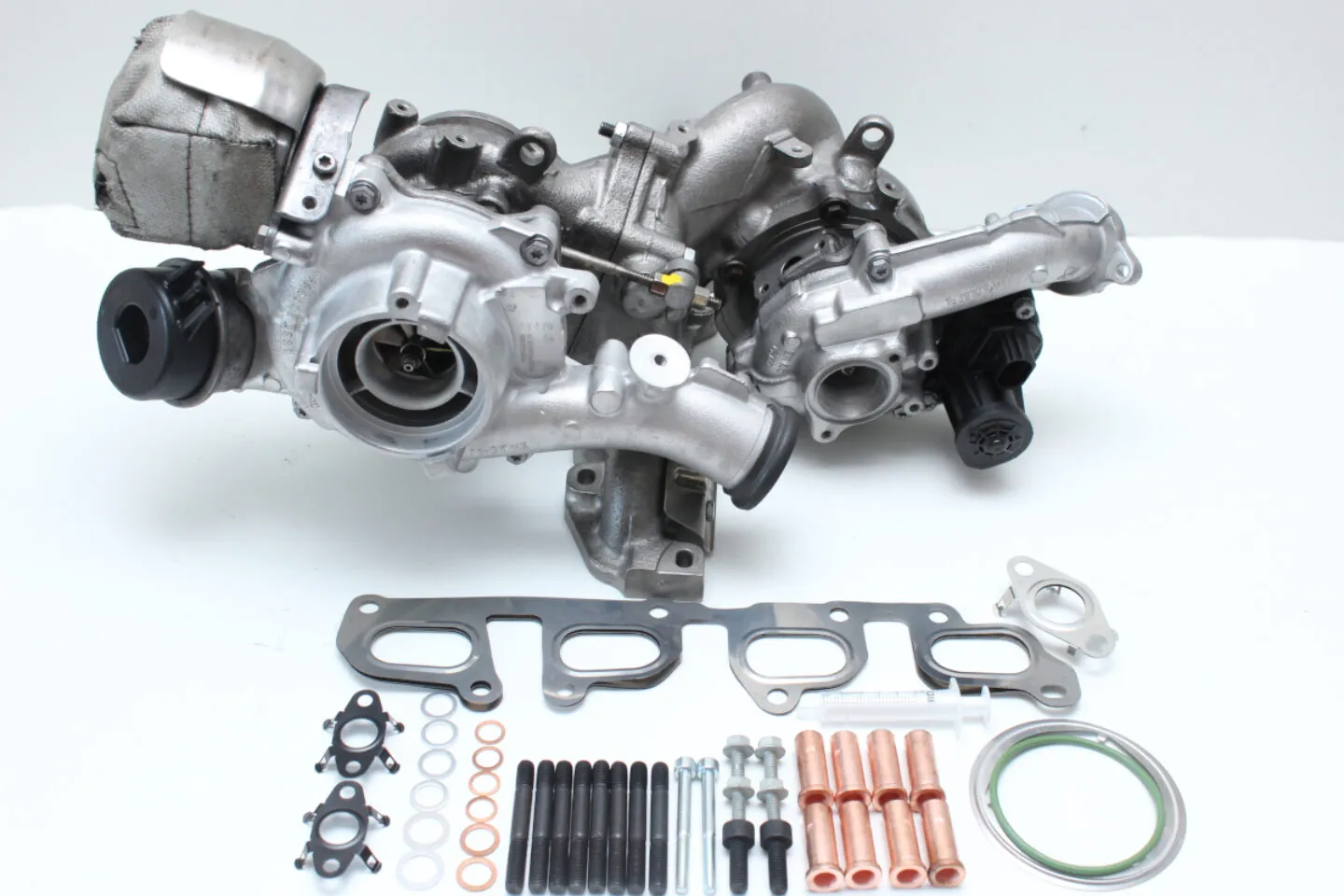
A turbocharger uses exhaust gases to spin a turbine wheel, which drives a compressor wheel.

The compressor draws in fresh air, compresses it and forces it into the engine.

This additional compressed air allows the engine to burn more fuel efficiently and generate additional power.

When the turbocharger cannot produce the required pressure, the engine may not receive enough air to deliver its expected performance.

This can result in:

  • Reduced engine power.

  • Poor acceleration.

  • Limp mode.

  • Increased fuel consumption in some circumstances.

  • Engine management warning lights.

  • Black smoke in some diesel engines.

Underboost does not necessarily mean the turbocharger itself has failed. The entire intake, exhaust and boost control system should be inspected.
What Are the Symptoms of Turbocharger Underboost?

The symptoms can vary depending on the vehicle and the severity of the problem.

Common warning signs include:

  • Vehicle struggling to accelerate.

  • Reduced engine power.

  • Poor pulling performance when climbing hills.

  • Turbocharger not producing sufficient boost.

  • Engine entering limp mode.

  • Engine management warning light.

  • P0299 diagnostic fault code.

  • Black smoke during acceleration in some cases.

  • Unusual hissing noises from the engine bay.

Some drivers notice that the vehicle performs normally at lower speeds but struggles when additional power is required.

This can happen because the turbocharger cannot generate the requested boost pressure when the engine is under greater load.

What Causes Turbocharger Underboost?

There are several reasons why a turbocharger may fail to produce sufficient boost pressure.

The most common causes include:

  1. Boost Pipe or Intercooler Leakage

    One of the most common causes of turbocharger underboost is a leak in the boost air system.

    After air leaves the turbocharger compressor, it travels through pipes and the intercooler before entering the engine.

    These components must maintain an airtight connection.

    If a boost pipe becomes cracked, damaged or disconnected, compressed air can escape before reaching the engine.

    This reduces the amount of air available to the engine and can cause the ECU to detect insufficient boost pressure.

    Typical symptoms include:

    • Poor acceleration.

    • Hissing noises during acceleration.

    • Reduced engine power.

    • Black smoke in some diesel engines.

    • P0299 fault codes.

    • Oil residue around damaged boost pipe connections.

    A pressure or smoke test can help identify leaks within the intake and boost system.

    Importantly, a leaking boost pipe does not necessarily mean that the turbocharger is faulty.

  2. Damaged Turbocharger Compressor Wheel

    The compressor wheel is responsible for compressing incoming air and delivering it to the engine.

    If the compressor wheel becomes damaged, its ability to move air efficiently can be reduced.

    Damage may be caused by:

    • Foreign objects entering the intake.

    • Contaminated air filters.

    • Excessive shaft movement.

    • Mechanical wear.

    • Internal turbocharger failure.

    A damaged compressor wheel may result in insufficient boost pressure and reduced engine performance.

    In severe cases, the damage can cause unusual turbocharger noises and further mechanical failure.

    Professional inspection is necessary to establish whether the turbocharger can be refurbished or requires replacement.

  3. Sticking Variable Geometry Turbocharger Vanes

    Many modern diesel engines use variable geometry turbochargers to control boost pressure.

    These turbochargers contain adjustable vanes that change the direction and velocity of exhaust gases passing through the turbine.

    The vanes help the turbocharger produce the correct boost pressure at different engine speeds.

    Over time, carbon deposits and soot can accumulate around the vane mechanism.

    If the vanes become stuck in a position that produces insufficient boost, the turbocharger may struggle to deliver the required pressure.

    Common symptoms include:

    • Poor acceleration.

    • Reduced engine power.

    • Underboost fault codes.

    • Limp mode.

    • Inconsistent turbocharger performance.

    Depending on the condition of the mechanism, professional cleaning or refurbishment may restore correct operation.

    If the internal components are damaged, replacement may be necessary.

  4. Faulty Turbocharger Actuator

    The turbocharger actuator controls the position of the variable geometry vanes or wastegate, depending on the turbocharger design.

    If the actuator fails, the turbocharger may not be able to adjust exhaust gas flow correctly.

    For example, if the variable geometry mechanism remains in a position that does not generate sufficient boost, the engine may experience underboost.

    Common actuator-related symptoms include:

    • Insufficient turbocharger boost pressure.

    • Slow acceleration.

    • Limp mode.

    • P0299 fault code.

    • Inconsistent engine performance.

    Actuator problems can be electrical or mechanical.

    Before replacing the complete turbocharger, the actuator, wiring, vacuum supply and mechanical linkage should be checked.

  5. Vacuum Leak or Faulty Boost Control Solenoid

    Some turbochargers use vacuum pressure to control the actuator.

    A vacuum pump supplies the required vacuum, which is regulated through hoses and a boost control solenoid.

    If any part of this system becomes damaged, the actuator may not receive sufficient vacuum to operate correctly.

    Possible causes include:

    • Cracked vacuum hoses.

    • Disconnected vacuum pipes.

    • Damaged vacuum pump.

    • Faulty boost control solenoid.

    • Vacuum leaks.

    • Incorrect actuator movement.

    These problems can prevent the turbocharger from generating the required boost pressure.

    A vacuum system inspection can help identify the underlying fault.

  6. Exhaust Leakage Before the Turbocharger

    The turbocharger relies on exhaust gases to spin its turbine wheel.

    If an exhaust leak develops before the turbocharger, some exhaust gas may escape before reaching the turbine.

    This can reduce the energy available to drive the turbocharger.

    Possible causes include:

    • Damaged exhaust manifold.

    • Leaking manifold gasket.

    • Cracked exhaust pipe.

    • Damaged turbocharger connection.

    • Loose exhaust fasteners.

    Depending on the severity of the leak, the turbocharger may struggle to reach the required boost pressure.

    Exhaust leakage should be checked before concluding that the turbocharger itself has failed.

  7. Worn Turbocharger Bearings

    Turbocharger bearings support the shaft connecting the compressor and turbine wheels.

    They are essential for maintaining the correct operation of the rotating assembly.

    When bearings become excessively worn, shaft movement may increase beyond acceptable limits.

    This can affect the efficiency of the turbocharger and may cause the compressor or turbine wheels to contact their housings.

    Possible symptoms include:

    • Reduced boost pressure.

    • Unusual whining or scraping noises.

    • Oil leakage.

    • Increased engine oil consumption.

    • Reduced engine performance.

    If bearing wear is severe, the turbocharger may require professional refurbishment or replacement.

What Is the P0299 Turbocharger Underboost Fault Code?

P0299 is a diagnostic trouble code associated with insufficient turbocharger or supercharger boost pressure.

It generally means that the ECU has detected actual boost pressure below the expected target under the relevant operating conditions.

Common causes include:

  • Boost pipe leakage.

  • Damaged intercooler.

  • Faulty turbocharger actuator.

  • Sticking variable geometry vanes.

  • Worn turbocharger bearings.

  • Damaged compressor wheel.

  • Vacuum leaks.

  • Exhaust leaks before the turbocharger.

  • Faulty MAP sensor.

When P0299 appears, the vehicle may enter limp mode to reduce engine load.

However, the fault code does not automatically confirm turbocharger failure.

A complete diagnosis is necessary to determine whether the problem is caused by the turbocharger or another component.

How to Recognise Turbocharger Underboost

The following symptoms can help identify a possible underboost problem.

Symptom Possible explanation
Poor acceleration Insufficient boost pressure
P0299 fault code Turbocharger underboost detected
Hissing noise during acceleration Boost pipe or intercooler leak
Black smoke under load Insufficient air supply or excessive fuelling
Sudden power reduction ECU activating limp mode
Slow turbocharger response Actuator or variable geometry problem
Low boost pressure Turbocharger or boost system fault
Power loss when climbing hills Insufficient boost under engine load

These symptoms should be treated as diagnostic clues rather than confirmation that the turbocharger needs replacing.

Other Possible Causes of Turbocharger Underboost

Before replacing your turbocharger, it is important to inspect other components that affect engine airflow and boost pressure.

Common causes include:

  • Blocked air filter: Restricts the amount of air entering the turbocharger.

  • Damaged intercooler: Allows compressed air to escape before reaching the engine.

  • Faulty MAF sensor: Provides incorrect airflow readings to the ECU.

  • Faulty MAP sensor: Can cause incorrect boost pressure readings.

  • Blocked DPF: Can increase exhaust backpressure and interfere with turbocharger operation.

  • Faulty EGR valve: Can affect engine airflow and combustion.

  • Damaged vacuum hoses: Prevent the actuator from operating correctly.

  • Faulty fuel system: Can cause reduced engine performance that may resemble underboost.

Identifying the actual cause can save unnecessary replacement costs.

Can You Drive with Turbocharger Underboost?

Driving with turbocharger underboost is not recommended until the cause has been identified.

Although some vehicles can continue running with reduced power, the problem may become worse if the underlying fault is ignored.

If the underboost is caused by a damaged turbocharger, continued driving could result in additional mechanical damage.

You should stop driving and arrange professional assistance if you notice:

  • Heavy exhaust smoke.

  • Loud metallic noises from the turbocharger.

  • Significant engine oil leakage.

  • Sudden severe loss of power.

  • Signs of mechanical damage.

If the vehicle has entered limp mode, avoid heavy acceleration and arrange an inspection as soon as possible.

How to Fix Turbocharger Underboost

The correct repair depends on the source of the problem.

A professional inspection should include:

  1. Reading diagnostic fault codes.

  2. Comparing requested and actual boost pressure.

  3. Inspecting boost pipes and intercooler connections.

  4. Pressure-testing the intake and boost system.

  5. Checking turbocharger actuator operation.

  6. Inspecting variable geometry vanes or wastegate operation.

  7. Checking the vacuum system and boost control solenoid.

  8. Inspecting the compressor and turbine wheels.

  9. Checking the turbocharger shaft and bearings.

  10. Inspecting the exhaust manifold and relevant engine sensors.

If the issue is caused by a damaged pipe, faulty sensor or vacuum leak, repairing that component may restore normal boost pressure.

However, if the turbocharger itself is mechanically damaged or cannot generate the required boost, replacement with a quality refurbished turbocharger may be the most economical solution.

It is essential to investigate why the original turbocharger failed and correct any underlying problems before installing another unit.

Buy a Quality Refurbished Turbocharger from Turbo Diesel

–

If your vehicle is experiencing underboost and the turbocharger has been confirmed as faulty, Turbo Diesel can help you find the correct replacement.

At Turbo Diesel, we specialise in refurbished turbochargers for a wide range of vehicles, offering UK customers a cost-effective alternative to purchasing brand-new units.

Why choose Turbo Diesel?

  • Extensive range of refurbished turbochargers.

  • Competitive prices.

  • 24-month warranty.

  • UK-based customer service.

  • Fast UK delivery.

  • Vehicle and turbocharger compatibility assistance.

We understand how important it is to find the correct turbocharger for your vehicle.

Whether you need a replacement turbocharger for a passenger car, van or commercial vehicle, our range offers an economical solution.

Looking for a replacement turbocharger?

Visit www.turbodiesel.cc and find the correct turbocharger for your vehicle.

  • 2 years waranty

    The confirmation of the top quality

  • Free Delivery

    Delivery within the UK free of charge

  • Premium Quality

    Every turbo rebuilt with brand new parts

  • Fast Shipping

    24H delivery around the whole UK!