• 2 years waranty

  • Free Delivery

  • Premium Quality

  • Fast Shipping

Diagnostics

Lack of Power – Could Your Turbocharger Be the Problem?

One of the most common problems experienced by drivers of turbocharged diesel vehicles is a sudden or gradual loss of engine power. You might notice that your car struggles to accelerate, feels unusually sluggish, has difficulty climbing hills or no…

8 min read • Last reviewed by Turbo Diesel CC Technical Team
Lack of Power – Could Your Turbocharger Be the Problem?

What Does It Mean When Your Car Has No Power?

A loss of power means that your engine is no longer producing the expected level of performance.

This can happen gradually or suddenly, depending on the underlying problem.

Common symptoms include:

  • Slow acceleration, particularly when overtaking.

  • The engine struggling to reach higher speeds.

  • Reduced pulling power when climbing hills.

  • Poor throttle response.

  • The turbocharger no longer producing noticeable boost.

  • Increased fuel consumption in some circumstances.

  • The engine management warning light appearing.

  • The vehicle entering limp mode.

In turbocharged diesel engines, these symptoms can indicate that the engine is not receiving the correct amount of compressed air.

When this happens, the engine management system may reduce engine power to protect the engine and other components.

Can a Faulty Turbocharger Cause a Loss of Power?

Yes. A malfunctioning turbocharger is one of the possible causes of reduced engine performance.

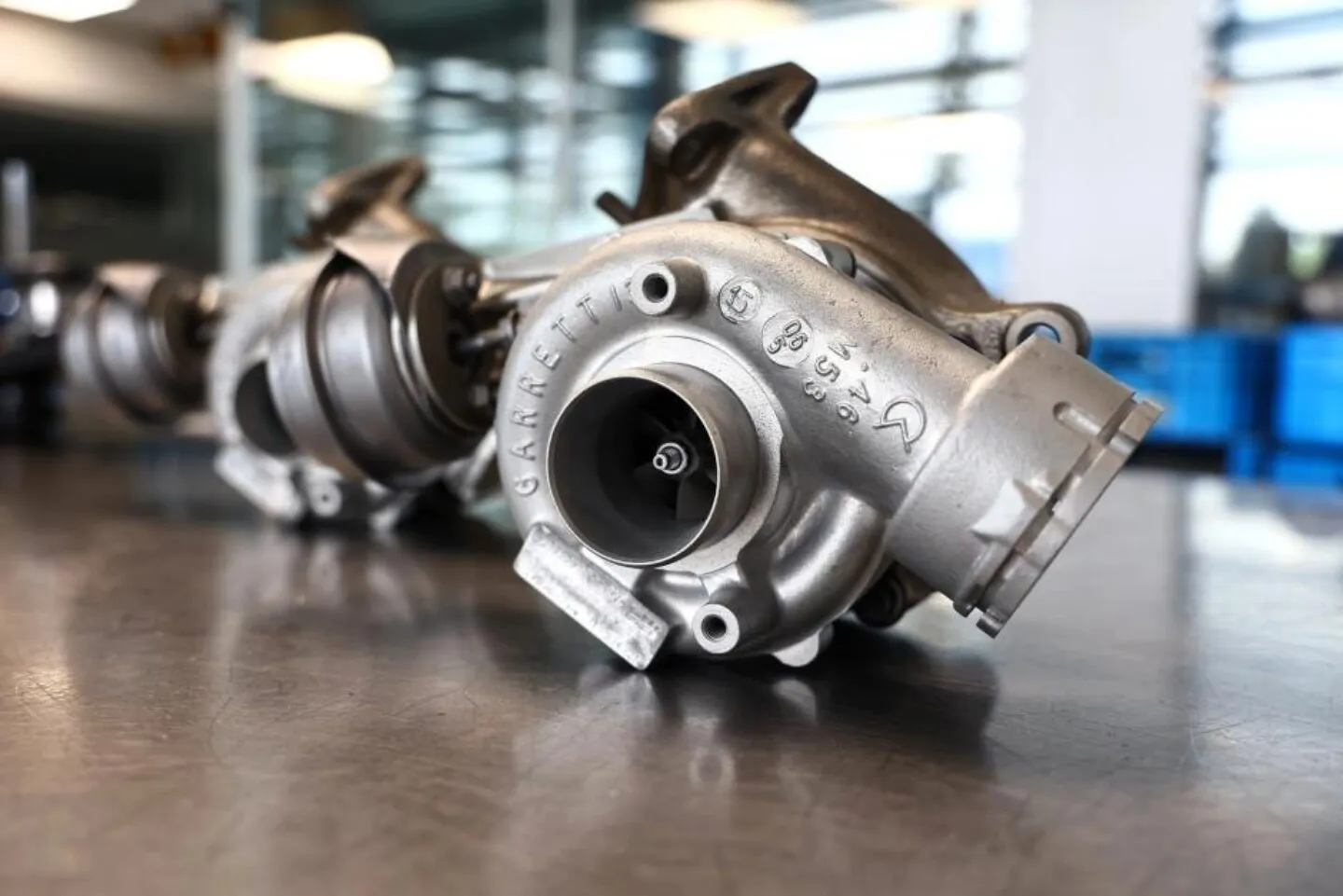
The turbocharger uses exhaust gases to spin a turbine wheel, which drives a compressor wheel. The compressor draws in fresh air, compresses it and sends it into the engine.

This additional air allows the engine to inject and burn more fuel while maintaining the correct air-to-fuel ratio.

If the turbocharger cannot generate the required boost pressure, the engine may produce considerably less power.

The most common turbocharger-related causes include:

  1. Damaged Turbocharger Compressor Wheel

    The compressor wheel is responsible for compressing the incoming air before it enters the engine.

    If its blades become damaged due to foreign objects, excessive shaft movement or mechanical failure, the turbocharger may no longer generate the required airflow.

    This can result in:

    • Reduced boost pressure.

    • Poor acceleration.

    • Unusual turbocharger noises.

    • Reduced engine performance.

    • Potential damage to other turbocharger components.

    A damaged compressor wheel requires professional inspection and may mean that the turbocharger needs to be replaced or professionally refurbished.


  2. Worn Turbocharger Bearings

    Turbocharger bearings support the rotating shaft and allow it to operate at extremely high speeds.

    Over time, bearings can become worn due to:

    • Insufficient lubrication.

    • Contaminated engine oil.

    • Incorrect oil supply.

    • Excessive operating temperatures.

    • Poor maintenance.

    When bearing wear becomes excessive, the turbocharger shaft may develop abnormal movement.

    This can affect the compressor and turbine wheels, reduce efficiency and potentially cause serious internal damage.

  3. Sticking Variable Geometry Turbocharger (VNT/VGT)

    Many modern diesel engines use variable geometry turbochargers.

    These turbochargers contain adjustable vanes that control exhaust gas flow through the turbine.

    The vanes change position depending on engine speed and operating conditions, helping the turbocharger deliver the correct boost pressure.

    Over time, carbon deposits and soot can build up around the variable geometry mechanism.

    This may cause the vanes to stick or move incorrectly.

    As a result, the turbocharger may struggle to produce the required boost pressure, leading to poor acceleration and reduced engine power.

    Depending on the severity of the problem, professional cleaning, repair or turbocharger replacement may be necessary.

  4. Turbocharger Actuator Failure

    The turbocharger actuator controls the movement of the variable geometry mechanism or wastegate, depending on the turbocharger design.

    If the actuator fails, becomes incorrectly calibrated or cannot move the mechanism correctly, boost pressure may become too low or too high.

    Common symptoms include:

    • Lack of power.

    • Inconsistent acceleration.

    • Limp mode.

    • Turbocharger underboost or overboost fault codes.

    • Poor throttle response.

    An actuator fault does not necessarily mean the entire turbocharger is damaged. The actuator, wiring, control system and turbocharger mechanism should be inspected before deciding on a replacement.

  5. Turbocharger Boost Leakage

    A turbocharger needs a sealed air intake and boost system to deliver compressed air efficiently.

    If a boost pipe, intercooler hose or connection becomes damaged or disconnected, compressed air can escape before reaching the engine.

    This means the engine receives less air than expected.

    Typical symptoms include:

    • Reduced engine power.

    • Hissing noises during acceleration.

    • Black smoke in some diesel engines.

    • Underboost fault codes.

    • Poor acceleration under load.

    In this situation, the turbocharger itself may still be working correctly. Repairing the damaged hose or connection may solve the problem.

How to Recognise Whether the Loss of Power Is Turbocharger-Related

The circumstances in which your car loses power can help narrow down the possible cause.

Symptom Possible explanation
Poor acceleration at all engine speeds Turbocharger, fuel delivery or airflow problem
Loss of power when accelerating hard Boost leakage or turbocharger control problem
Engine struggles uphill Insufficient boost pressure or fuel delivery issue
Sudden power loss Limp mode, actuator fault or mechanical problem
Power returns after restarting Possible intermittent boost control fault
Hissing noise with reduced power Boost pipe or intercooler leakage
Loss of power with black smoke Insufficient air supply or excessive fuelling
Loss of power with whistling noise Possible turbocharger damage or air leakage

These symptoms are diagnostic clues rather than definitive proof of turbocharger failure.
Other Possible Causes of a Car Losing Power

Before replacing your turbocharger, it is important to inspect the entire engine and air supply system.

Other common causes include:

  1. Blocked DPF: A restricted diesel particulate filter can increase exhaust backpressure and reduce engine performance.
  2. Blocked EGR valve: Carbon deposits can prevent the exhaust gas recirculation system from operating correctly.
  3. Faulty MAF sensor: An incorrect airflow reading can affect engine management and boost control.
  4. Faulty MAP sensor: Incorrect manifold pressure readings can cause incorrect boost regulation.
  5. Blocked fuel filter: Restricts fuel supply and can reduce engine power.
  6. Faulty fuel injectors: Incorrect fuel delivery can cause poor combustion and reduced performance.
  7. Damaged intercooler: Allows compressed air to escape from the boost system.
  8. Vacuum leaks: Can prevent vacuum-operated turbocharger actuators from working correctly. A diagnostic scan combined with a physical inspection is the best way to identify the actual cause.

Can You Drive with a Loss of Engine Power?

It depends on the severity and underlying cause.

If your vehicle has entered limp mode, you may still be able to drive a short distance to a safe location, but continuing to use the vehicle without identifying the fault is not recommended.

If the loss of power is accompanied by heavy smoke, unusual mechanical noises, oil leakage or warning lights indicating a serious engine problem, stop safely and arrange professional assistance.

Continuing to drive with a damaged turbocharger can potentially lead to further engine damage.

How to Fix a Loss of Power Caused by a Faulty Turbocharger

The correct repair depends on the cause of the problem.

A professional inspection should include:

  1. Reading engine fault codes using diagnostic equipment.

  2. Checking actual and requested boost pressure.

  3. Inspecting the turbocharger compressor and turbine wheels.

  4. Checking the turbocharger shaft and bearing condition.

  5. Inspecting the actuator and variable geometry mechanism.

  6. Pressure-testing the boost pipes and intercooler.

  7. Checking the turbocharger oil supply and return system.

  8. Inspecting the DPF, EGR and relevant engine sensors.

If the turbocharger is mechanically damaged or cannot operate within its required specifications, replacement with a quality refurbished turbocharger may be the most cost-effective solution.

It is also important to identify the reason behind the original failure to avoid damaging the replacement unit.

Buy a Quality Refurbished Turbocharger from Turbo Diesel

If your vehicle is losing power and a faulty turbocharger has been confirmed, Turbo Diesel can help you find the correct replacement.

At Turbo Diesel, we specialise in refurbished turbochargers for a wide range of vehicles, offering UK customers a cost-effective alternative to purchasing brand-new units.

Why choose Turbo Diesel?

  • Extensive range of refurbished turbochargers.

  • Competitive prices.

  • 24-month warranty.

  • UK-based customer service.

  • Fast UK delivery.

  • Vehicle and turbocharger compatibility assistance.

Whether you drive a passenger car, van or commercial diesel vehicle, finding the correct turbocharger is essential for restoring engine performance.

Looking for a replacement turbocharger?

Visit www.turbodiesel.cc and find the correct turbocharger for your vehicle.

Frequently Asked Questions About Loss of Power and Turbochargers

  1. Why has my diesel car suddenly lost power?

    A sudden loss of power can be caused by turbocharger problems, boost pipe leaks, faulty sensors, fuel delivery issues or the engine entering limp mode. A diagnostic scan is recommended.

  2. Can a faulty turbo cause slow acceleration?

    Yes. If the turbocharger cannot generate the required boost pressure, the engine receives less compressed air and may struggle to accelerate.

  3. Will a car drive without a working turbocharger?

    Some turbocharged engines can still run with a non-functioning turbocharger, but performance will be significantly reduced. Driving with a mechanically damaged turbocharger may cause further damage.

  4. Can a blocked DPF cause a loss of turbo power?

    Yes. A blocked DPF can increase exhaust backpressure and interfere with turbocharger operation, potentially causing reduced power and boost-related problems.

  5. Does replacing the turbocharger restore engine power?

    If the turbocharger is confirmed to be the cause of the power loss, replacing it with a correctly specified and functioning unit can restore the expected boost pressure and engine performance. Any underlying faults must also be repaired.

  6. How much does a replacement turbocharger cost in the UK?

    The price depends on your vehicle, engine type and turbocharger model. A refurbished turbocharger can provide a more affordable alternative to a new original unit.

  • 2 years waranty

    The confirmation of the top quality

  • Free Delivery

    Delivery within the UK free of charge

  • Premium Quality

    Every turbo rebuilt with brand new parts

  • Fast Shipping

    24H delivery around the whole UK!