• 2 years waranty

  • Free Delivery

  • Premium Quality

  • Fast Shipping

Diagnostics

Turbocharger Overboost – Why Is Your Turbo Producing Too Much Pressure?

Turbocharger overboost is a problem that occurs when the turbocharger produces more boost pressure than the engine management system expects or allows under specific operating conditions. It is particularly common in modern turbocharged diesel engines equipped with variable geometry turbochargers.

8 min read • Last reviewed by Turbo Diesel CC Technical Team
Turbocharger Overboost – Why Is Your Turbo Producing Too Much Pressure?

What Is Turbocharger Overboost?

Turbocharger overboost occurs when actual boost pressure exceeds the target pressure or permitted operating limit established by the engine management system.

The engine control unit (ECU) continuously monitors boost pressure using sensors and adjusts turbocharger operation to maintain the required pressure.

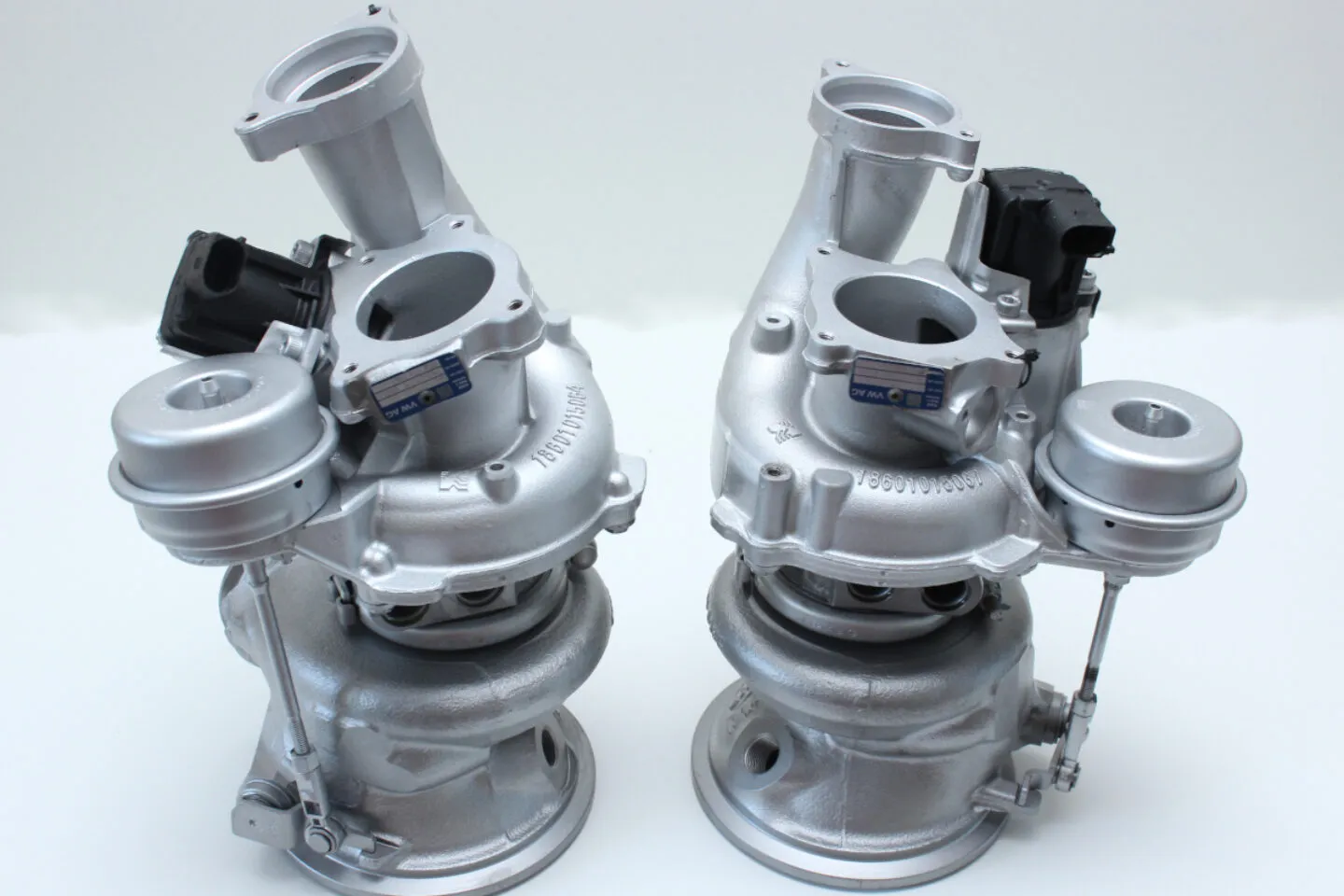
Depending on the turbocharger design, boost pressure is controlled using:

  • Variable geometry vanes.

  • A wastegate mechanism.

  • An electronic turbocharger actuator.

  • A vacuum-operated actuator.

  • Boost control solenoids.

  • Engine management sensors.

If one of these systems fails or does not respond correctly, the turbocharger may produce excessive boost pressure.

In many vehicles, this causes the ECU to activate limp mode to reduce engine load and prevent potential damage.
What Are the Symptoms of Turbocharger Overboost?

The symptoms can vary depending on the vehicle and the severity of the problem.

Common warning signs include:

  • Sudden loss of engine power.

  • Vehicle entering limp mode.

  • Engine management warning light.

  • Poor acceleration at higher engine speeds.

  • Inconsistent turbocharger performance.

  • Turbocharger producing excessive boost pressure.

  • P0234 diagnostic fault code.

  • Engine performance returning temporarily after restarting.

Some vehicles may experience overboost only under heavy acceleration, making the problem difficult to identify during normal driving.

What Causes Turbocharger Overboost?

There are several possible reasons why a turbocharger may produce excessive boost pressure.

The most common causes include:

  1. Sticking Variable Geometry Turbocharger Vanes

    One of the most common causes of turbocharger overboost in modern diesel vehicles is a sticking variable geometry mechanism.

    Variable geometry turbochargers use adjustable vanes inside the turbine housing to control exhaust gas flow.

    At lower engine speeds, the vanes move to increase exhaust gas velocity and help the turbocharger build boost pressure.

    At higher engine speeds, the vanes adjust to control turbine speed and maintain the required boost pressure.

    Over time, soot and carbon deposits can accumulate around the vane mechanism.

    If the vanes become stuck in a position that produces excessive boost, the turbocharger may continue generating more pressure than required.

    This can result in:

    • Excessive boost pressure.

    • P0234 fault codes.

    • Sudden power loss.

    • Limp mode.

    • Poor acceleration.

    Depending on the extent of the damage, the variable geometry mechanism may require professional cleaning, refurbishment or turbocharger replacement.

  2. Faulty Turbocharger Actuator

    The turbocharger actuator controls the movement of the variable geometry vanes or wastegate.

    If the actuator becomes faulty, incorrectly calibrated or unable to move through its required range, the turbocharger may not regulate boost pressure correctly.

    For example, an actuator that cannot move the vanes into the required lower-boost position may contribute to excessive boost pressure.

    Common symptoms include:

    • Intermittent overboost.

    • Limp mode during acceleration.

    • Turbocharger boost pressure exceeding the target.

    • P0234 fault code.

    • Inconsistent turbocharger operation.

    An actuator problem does not automatically mean the turbocharger itself is beyond repair.

    The actuator, electrical connections, wiring and mechanical linkage should be checked before deciding whether the entire turbocharger needs replacing.

  3. Faulty Wastegate Mechanism

    Some turbochargers use a wastegate to regulate boost pressure.

    The wastegate allows some exhaust gas to bypass the turbine wheel, limiting the amount of energy reaching the turbine.

    If the wastegate becomes stuck closed or its control system fails, too much exhaust gas may continue passing through the turbine.

    This can result in excessive turbocharger speed and boost pressure.

    Possible causes include:

    • Damaged wastegate linkage.

    • Corrosion or mechanical sticking.

    • Faulty actuator.

    • Incorrect actuator adjustment.

    • Problems with the boost control system.

    The wastegate mechanism should be inspected to determine whether it can operate correctly.

  4. Faulty Boost Control Solenoid

    The boost control solenoid helps regulate the pressure or vacuum supplied to the turbocharger actuator in systems that use this type of control.

    If the solenoid becomes blocked, electrically faulty or operates incorrectly, it may prevent the actuator from controlling boost pressure as intended.

    This can cause inconsistent turbocharger operation and potentially contribute to overboost.

    A diagnostic inspection should include checking the solenoid, its electrical connections and the vacuum hoses.

  5. Faulty MAP Sensor

    The manifold absolute pressure sensor measures pressure inside the intake manifold.

    The ECU uses this information to monitor boost pressure and adjust turbocharger operation.

    If the MAP sensor provides incorrect readings, the ECU may receive inaccurate information about the actual pressure inside the engine.

    This can interfere with boost regulation.

    A faulty sensor does not necessarily mean that the turbocharger is mechanically damaged.

    The sensor should be checked using diagnostic equipment and compared with actual pressure readings.

  6. Incorrect Turbocharger Actuator Calibration

    Modern turbochargers often require specific actuator settings and calibration procedures.

    If an actuator is installed incorrectly, adjusted improperly or not calibrated according to the manufacturer’s specifications, the turbocharger may operate outside its intended control range.

    This can result in overboost, underboost or inconsistent performance.

    Correct calibration is particularly important when replacing or refurbishing electronically controlled variable geometry turbochargers.

What Is the P0234 Turbocharger Overboost Fault Code?

P0234 is a diagnostic trouble code associated with turbocharger or supercharger overboost conditions.

It generally indicates that the engine management system has detected boost pressure above the expected operating limit.

When this fault appears, the vehicle may activate limp mode to protect the engine.

Possible causes include:

  • Sticking variable geometry vanes.

  • Faulty turbocharger actuator.

  • Wastegate control problems.

  • Faulty boost control solenoid.

  • Incorrect MAP sensor readings.

  • Wiring or vacuum system problems.

The P0234 code identifies an overboost condition, but it does not automatically prove that the turbocharger needs replacing.

Further diagnosis is required to identify the actual source of the problem.

How to Recognise Turbocharger Overboost

The following symptoms can help identify a possible overboost condition.

Symptom Possible explanation
Sudden power loss during acceleration ECU activating limp mode
P0234 fault code Boost pressure exceeding permitted limits
Engine runs normally after restarting Intermittent overboost condition
Power loss at higher engine speeds Turbocharger control problem
Inconsistent boost pressure Actuator or variable geometry fault
Turbo produces excessive boost Wastegate or vane control problem
Engine warning light Boost regulation fault detected

A diagnostic scan and live boost pressure readings are recommended to confirm the problem.

Can You Drive with Turbocharger Overboost?

Driving with an overboost condition is not recommended until the cause has been identified.

Excessive boost pressure can place additional stress on the turbocharger, engine and related components.

Depending on the engine design and severity of the problem, prolonged overboost may contribute to:

  • Excessive turbocharger rotational speed.

  • Increased exhaust gas temperatures.

  • Excessive cylinder pressure.

  • Damage to engine components.

  • Turbocharger mechanical failure.

If your vehicle repeatedly enters limp mode or displays a P0234 fault code, arrange a professional inspection rather than continuing to drive under heavy acceleration.

H2: How to Fix Turbocharger Overboost

The correct repair depends on the underlying fault.

A professional diagnosis should include:

  1. Reading the engine fault codes.

  2. Comparing requested and actual boost pressure.

  3. Inspecting the turbocharger variable geometry mechanism.

  4. Checking the actuator movement and calibration.

  5. Inspecting the wastegate where fitted.

  6. Checking vacuum hoses and the boost control solenoid.

  7. Inspecting the MAP sensor and electrical connections.

  8. Testing the turbocharger under controlled operating conditions.

If the turbocharger mechanism is sticking due to carbon deposits, professional cleaning or refurbishment may be possible.

If the internal components are damaged or the turbocharger cannot be restored to the required operating specifications, replacement may be necessary.

When replacing the turbocharger, it is essential to ensure that the new or refurbished unit is correctly specified and calibrated for the vehicle.

Buy a Quality Refurbished Turbocharger from Turbo Diesel

–

If your vehicle is experiencing turbocharger overboost and the turbocharger has been confirmed as faulty, Turbo Diesel can help you find the correct replacement.

At Turbo Diesel, we specialise in refurbished turbochargers for a wide range of vehicles.

We provide UK customers with a cost-effective alternative to purchasing brand-new turbochargers without compromising on the importance of correct fitment and quality.

Why choose Turbo Diesel?

  • Extensive range of refurbished turbochargers.

  • Competitive prices.

  • 24-month warranty.

  • UK-based customer service.

  • Fast UK delivery.

  • Vehicle and turbocharger compatibility assistance.

Choosing the correct replacement turbocharger is essential to restoring proper boost regulation and engine performance.

Need a replacement turbocharger?

Visit www.turbodiesel.cc and find the correct turbocharger for your vehicle.

Frequently Asked Questions About Turbocharger Overboost

  1. What does turbocharger overboost mean?

    Turbocharger overboost means that the turbocharger is producing more boost pressure than the ECU expects or permits under the current operating conditions.

  2. Can a faulty turbo actuator cause overboost?

    Yes. If the actuator cannot correctly control the variable geometry mechanism or wastegate, boost pressure may become excessive.

  3. What is the P0234 fault code?

    P0234 is a diagnostic trouble code indicating that the engine management system has detected excessive turbocharger or supercharger boost pressure.

  4. Can a blocked DPF cause turbocharger overboost?

    A blocked DPF can increase exhaust backpressure and interfere with turbocharger operation. However, it should not automatically be assumed to be the cause of overboost. The complete exhaust and boost control systems should be inspected.

  5. Can cleaning a turbocharger fix overboost?

    It can, particularly when carbon deposits are causing the variable geometry vanes to stick. However, if the actuator or internal components are damaged, additional repairs or replacement may be necessary.

  6. Does overboost mean I need a new turbocharger?

    Not always. Overboost can be caused by a faulty sensor, actuator, solenoid, vacuum hose or wastegate mechanism. A complete diagnosis should be carried out before replacing the turbocharger.

  • 2 years waranty

    The confirmation of the top quality

  • Free Delivery

    Delivery within the UK free of charge

  • Premium Quality

    Every turbo rebuilt with brand new parts

  • Fast Shipping

    24H delivery around the whole UK!