• 2 years waranty

  • Free Delivery

  • Premium Quality

  • Fast Shipping

Turbocharger Problems

Whistling Noise from Turbocharger – Normal Sound or Sign of Failure?

A turbocharger naturally produces some noise while operating. However, if you notice a new, unusually loud or high-pitched whistling sound coming from your engine, it could indicate a problem with the turbocharger or its surrounding components.

8 min read • Last reviewed by Turbo Diesel CC Technical Team
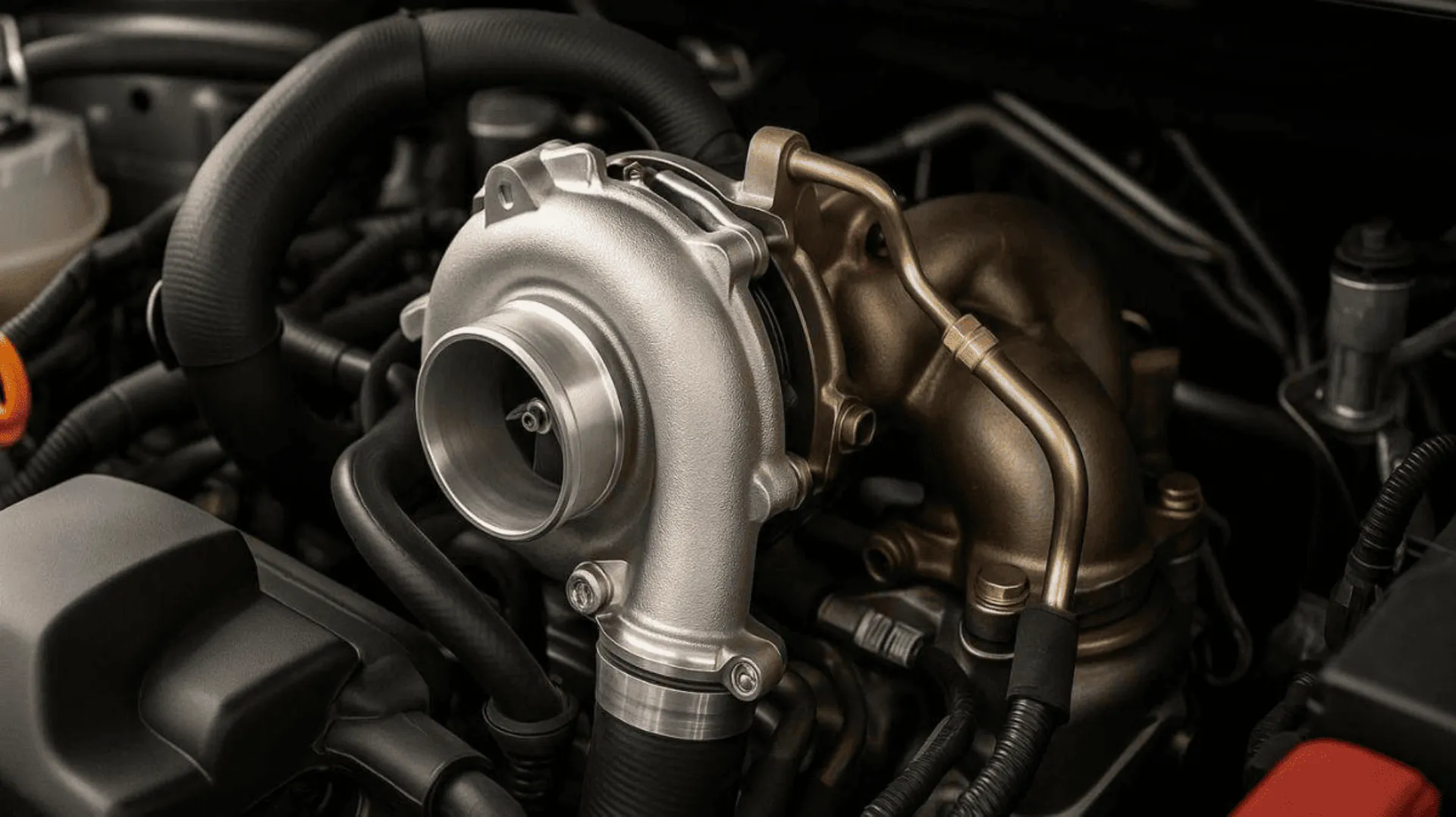
Close-up of a polished turbocharger in a car engine bay, surrounded by hoses and metal pipes; the detailed mechanical scene feels powerful and precision-engineered.

Quick Answer

A turbocharger naturally produces some noise while operating. However, if you notice a new, unusually loud or high-pitched whistling sound coming from your engine, it could indicate a problem with the turbocharger or its surrounding components.

Many drivers first notice the noise when accelerating, particularly when the turbocharger starts building boost pressure.

In some cases, the cause is relatively simple, such as a leaking boost hose or loose connection. In other situations, a whistling or whining noise can indicate damaged compressor components, excessive shaft movement or internal turbocharger wear.

Identifying the source of the noise early can help prevent more serious mechanical damage.

In this guide, we explain why turbochargers whistle, which noises should concern you and when a replacement turbocharger may be necessary.

Is It Normal for a Turbocharger to Make a Whistling Noise?

Yes. A functioning turbocharger can produce a faint whistling or spinning sound as the compressor wheel draws in air and increases boost pressure.

This is particularly noticeable during acceleration when the turbocharger operates at higher speeds.

A normal turbocharger sound is generally:

  • Relatively quiet.

  • Smooth and consistent.

  • More noticeable under acceleration.

  • Free from grinding or metallic noises.

  • Not accompanied by unusual smoke or significant power loss.

However, a sudden change in the sound, an unusually loud whistle or a high-pitched siren-like noise should not be ignored.

It is important to distinguish between normal turbocharger operation and noises caused by mechanical damage or air leaks.

What Causes a Turbocharger to Make a Loud Whistling Noise?

There are several reasons why a turbocharger may become noticeably louder.

  1. Damaged or Worn Compressor Wheel

    The compressor wheel is responsible for drawing in and compressing air before sending it into the engine.

    If the compressor wheel becomes damaged, contaminated or unbalanced, it can produce unusual whistling or whining noises.

    Damage can occur due to foreign objects entering the intake system, excessive rotational stress or bearing-related problems.

    Other symptoms may include:

    • Reduced engine power.

    • Poor acceleration.

    • Abnormal turbocharger sounds.

    • Increased smoke from the exhaust.

    • Unusual shaft movement.

    A damaged compressor wheel requires professional inspection and may mean that the turbocharger needs replacing or specialist refurbishment.

  2. Worn Turbocharger Bearings

    Turbocharger bearings support the rotating shaft and allow the compressor and turbine wheels to operate at extremely high speeds.

    If the bearings become worn due to insufficient lubrication, contaminated oil or excessive operating temperatures, the turbocharger may develop excessive shaft movement.

    This can cause the rotating components to move out of their intended operating position.

    Possible warning signs include:

    • Loud whining or siren-like noises.

    • Grinding sounds.

    • Increased shaft movement.

    • Oil leakage.

    • Reduced turbocharger performance.

    If bearing damage is suspected, the turbocharger should be inspected as soon as possible.

  3. Boost Pipe or Intercooler Leak

    One of the most common reasons for a loud whistling noise is a leak in the turbocharger’s compressed-air system.

    After air passes through the turbocharger compressor, it travels through boost pipes and usually an intercooler before reaching the engine.

    If a hose becomes cracked, a connection becomes loose or the intercooler develops a leak, compressed air can escape.

    As the turbocharger produces boost pressure, the escaping air may create a noticeable whistling or hissing sound.

    Other symptoms include:

    • Reduced engine power.

    • Black smoke during acceleration.

    • Poor fuel economy.

    • Loss of boost pressure.

    • Hissing under acceleration.

    A boost leak does not necessarily mean that the turbocharger itself is faulty. The complete air delivery system should be checked before replacing the unit.

  4. Exhaust Leak Near the Turbocharger

    An exhaust leak around the turbocharger manifold, gaskets or connecting pipes can produce a whistling or hissing sound.

    Exhaust gases escaping under pressure may create noises that are easily mistaken for turbocharger problems.

    Other possible symptoms include:

    • Exhaust smell in the engine compartment.

    • Soot deposits around connections.

    • Reduced turbocharger performance.

    • Increased engine noise.

    A professional inspection should include the exhaust manifold, turbocharger connections and associated gaskets.

  5. Damaged Turbocharger Housing

    The compressor and turbine wheels operate within carefully designed housings.

    If the housing becomes damaged or the rotating components make contact with it, abnormal noises can develop.

    Wheel-to-housing contact is particularly serious because it can quickly damage the turbocharger.

    If you hear grinding, scraping or a sudden metallic whistling sound, stop driving and arrange an inspection.

  6. Problems with the Turbocharger Actuator

    Modern turbochargers often use variable geometry mechanisms or wastegate systems to control boost pressure.

    If the actuator or its control mechanism does not operate correctly, the turbocharger may produce unusual operating sounds or fail to generate the correct boost pressure.

    An actuator fault may also cause:

    • Reduced engine performance.

    • Inconsistent boost pressure.

    • Engine warning lights.

    • Poor acceleration.

    The actuator and associated control system should be checked before concluding that the complete turbocharger needs replacing.

Why Does My Turbo Whistle When Accelerating?

A turbocharger operates under greater load when the engine accelerates.

As engine speed and exhaust gas flow increase, the turbocharger spins faster and produces more compressed air.

If there is a leak or internal mechanical problem, the noise may become particularly noticeable during acceleration.

Common reasons include:

Noise or symptom Possible cause
Loud whistle under acceleration Boost pipe or intercooler leak
High-pitched siren-like noise Possible turbocharger bearing or wheel damage
Hissing noise under boost Air or exhaust leak
Whistling with loss of power Boost leak or turbocharger fault
Whistling with blue smoke Possible oil leakage through turbocharger
Grinding or metallic noise Possible internal turbocharger damage

These are diagnostic clues rather than definitive diagnoses. Different faults can produce similar sounds.
How to Tell If Your Turbocharger Is Failing

A whistling noise is more concerning when it appears alongside other symptoms.

Watch out for the following warning signs:

  1. Loss of engine power

    If the vehicle struggles to accelerate or no longer produces the same power, the turbocharger may not be generating the required boost pressure.

  2. Excessive exhaust smoke

    Blue smoke can indicate engine oil entering the intake or exhaust system, while black smoke can indicate insufficient air for the amount of fuel being injected.

  3. Increased oil consumption

    If you regularly need to top up your engine oil, a turbocharger-related oil leak could be one possible explanation.

  4. Engine warning light

    A faulty turbocharger or boost control system can trigger engine management faults.

  5. Unusual whining or grinding

    A new, loud or rapidly worsening noise should be investigated, particularly if accompanied by reduced performance.

If you notice several of these symptoms together, arrange a professional inspection rather than continuing to drive and risking further damage.

Can You Drive with a Whistling Turbocharger?

It depends on the cause and severity of the noise.

A faint, consistent turbocharger whistle can be completely normal.

However, a sudden loud whistle, siren-like noise or grinding sound could indicate internal turbocharger damage.

Continuing to drive with a damaged turbocharger can result in further mechanical failure and potentially serious engine damage.

If the noise is accompanied by heavy smoke, significant oil loss, sudden power loss or abnormal engine behaviour, stop the vehicle safely and arrange professional assistance.

Do not assume that a turbocharger is safe simply because the vehicle is still running.

How to Diagnose a Whistling Turbocharger

Finding the actual source of the noise is essential before purchasing a replacement turbocharger.

A professional mechanic should carry out several checks:

  1. Inspect all turbocharger intake and boost pipes.

  2. Check the intercooler for cracks and leaks.

  3. Inspect the compressor wheel for damage.

  4. Check turbocharger shaft movement against manufacturer specifications.

  5. Inspect the turbine and compressor housings.

  6. Check turbocharger oil feed and return pipes.

  7. Inspect exhaust manifold connections and gaskets.

  8. Test actuator operation and boost pressure.

  9. Check engine fault codes and live diagnostic data.

A pressure or smoke test of the intake and boost system can help identify air leaks that may otherwise be difficult to locate.

How to Fix a Whistling Turbocharger

The correct repair depends on what is causing the noise.

  • Boost hose leak: Replace the damaged hose or connection.

  • Intercooler leak: Repair or replace the damaged intercooler.

  • Exhaust leak: Repair the relevant gasket, connection or manifold.

  • Actuator fault: Diagnose and repair the actuator or its control system.

  • Damaged compressor wheel: Have the turbocharger professionally inspected and refurbished or replaced.

  • Worn bearings: Replace or professionally refurbish the turbocharger, depending on its condition.

If internal turbocharger damage is confirmed, replacing the unit with a suitable quality refurbished turbocharger can be a cost-effective option.

It is also important to investigate why the original turbocharger failed. Oil contamination, insufficient lubrication and foreign object damage can cause a replacement unit to fail prematurely if the underlying issue is not corrected.

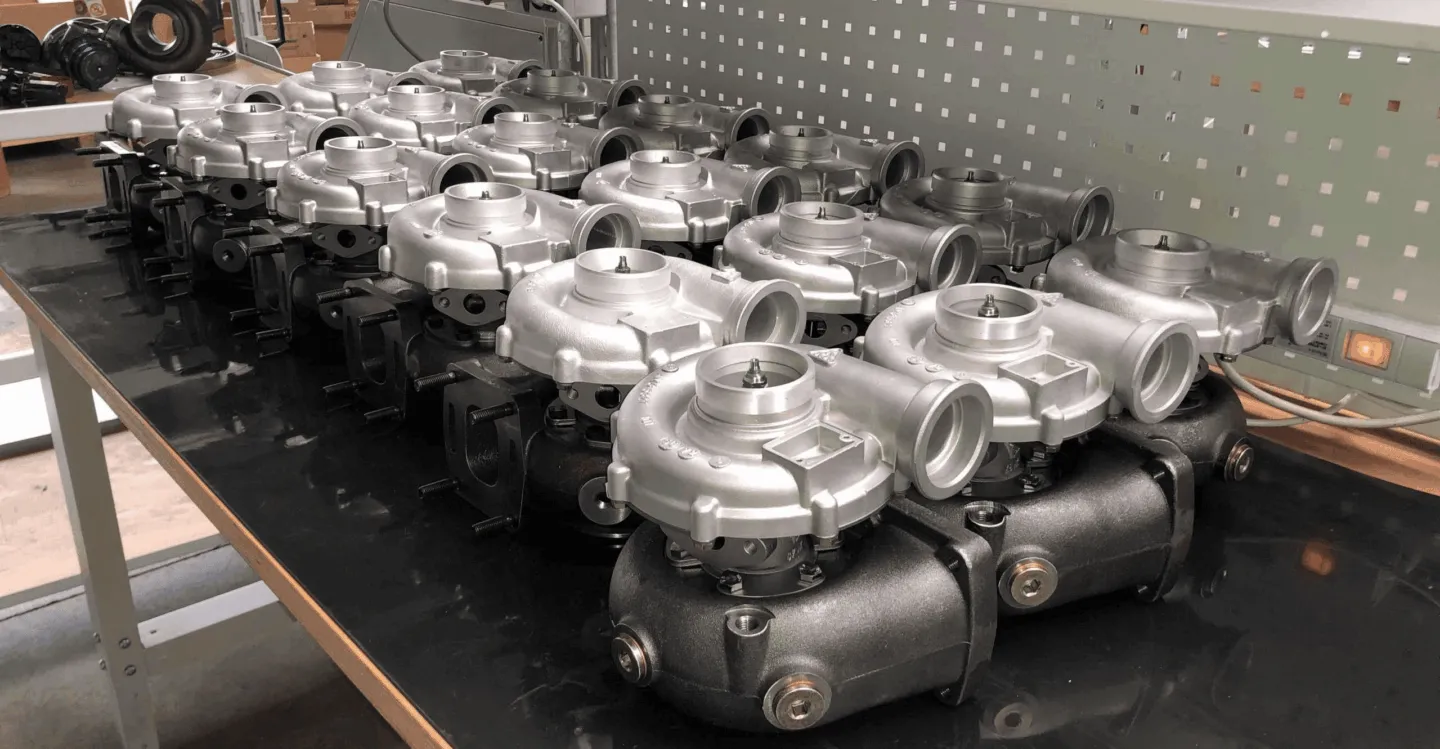
Rows of silver industrial valve assemblies sit on a black workbench in a workshop, creating an orderly, precision-engineered scene.

Buy a Replacement Turbocharger from Turbo Diesel

If your mechanic has confirmed that the turbocharger is faulty, Turbo Diesel can help you find the correct replacement.

We specialise in refurbished turbochargers for a wide range of vehicles, offering customers across the UK an affordable alternative to brand-new turbochargers.

Why choose Turbo Diesel?

  • Extensive stock of refurbished turbochargers.

  • Competitive UK prices.

  • 24-month warranty.

  • Fast UK delivery.

  • Assistance with turbocharger identification.

  • A cost-effective alternative to buying brand-new.

Choosing the correct replacement turbocharger is essential for reliable performance and correct vehicle fitment.

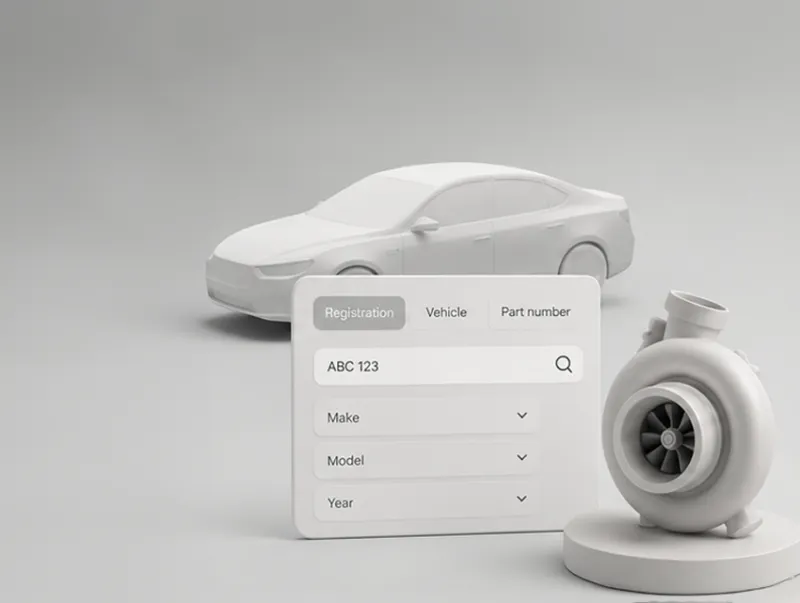
Our team can help you identify a suitable turbocharger using your vehicle details or original turbocharger part number.

Looking for a replacement turbocharger?

Visit www.turbodiesel.cc and explore our range of refurbished turbochargers.

Frequently Asked Questions About Turbocharger Whistling Noise

  • Not always. A faint whistle is normal during turbocharger operation. However, a sudden, loud or unusually high-pitched noise can indicate a boost leak, damaged compressor wheel or worn turbocharger bearings.

  • A siren-like whining noise can indicate excessive shaft movement, damaged bearings or contact between rotating components and the turbocharger housing. It should be investigated promptly.

  • Yes. When compressed air escapes through a damaged boost hose, loose connection or leaking intercooler, it can create a noticeable whistling or hissing noise, particularly under acceleration.

  • Not necessarily. First, establish whether the noise comes from the turbocharger itself or surrounding components. A damaged hose or intercooler may be responsible and can be considerably cheaper to repair.

  • A correctly refurbished turbocharger should operate within its specified tolerances. A faint operating whistle can be normal, but a loud or abnormal noise should be investigated.

  • There is no reliable mileage estimate because the cause and severity vary. If the noise is new, loud or accompanied by smoke, oil loss or power reduction, stop driving and have the vehicle inspected.

  • 2 years waranty

    The confirmation of the top quality

  • Free Delivery

    Delivery within the UK free of charge

  • Premium Quality

    Every turbo rebuilt with brand new parts

  • Fast Shipping

    24H delivery around the whole UK!