• 2 years waranty

  • Free Delivery

  • Premium Quality

  • Fast Shipping

Turbocharger Problems

Black Smoke from Exhaust – Could Your Turbocharger Be the Problem?

Black smoke coming from your vehicle’s exhaust is a common problem in diesel engines. Although a small amount of smoke can sometimes appear under heavy acceleration, excessive or continuous black smoke is often a sign that something is wrong with…

7 min read • Last reviewed by Turbo Diesel CC Technical Team
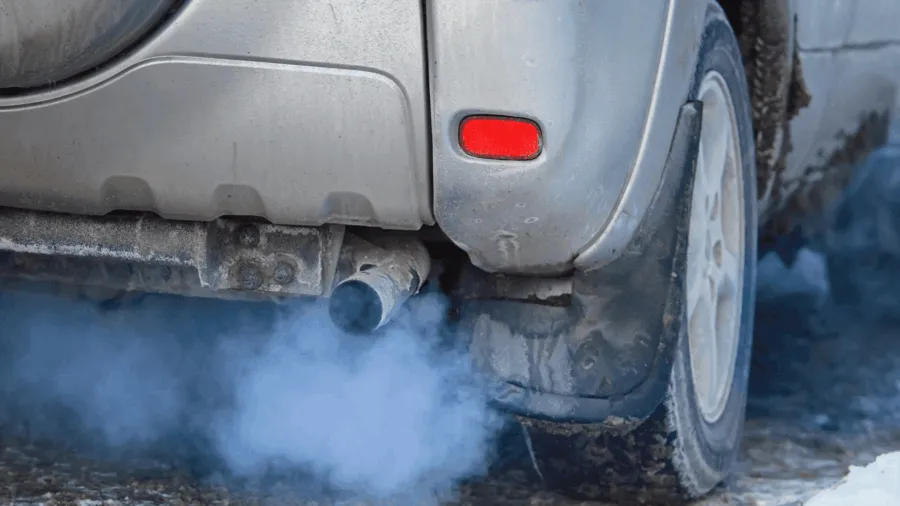
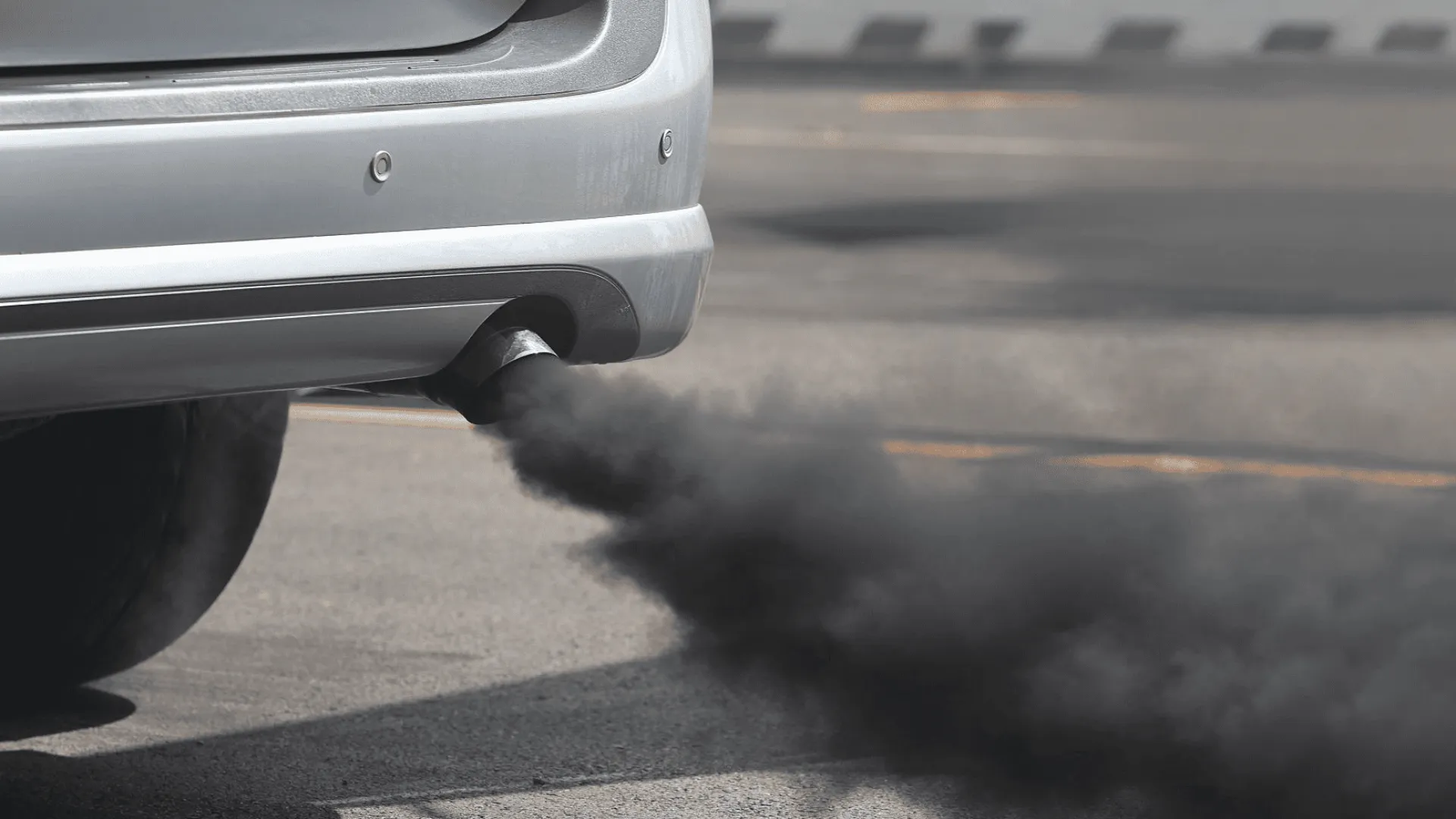
Thick black smoke emitting from the exhaust pipe of a silver car parked on an asphalt road, illustrating vehicle emissions and air pollution.

Quick Answer

Black smoke coming from your vehicle’s exhaust is a common problem in diesel engines. Although a small amount of smoke can sometimes appear under heavy acceleration, excessive or continuous black smoke is often a sign that something is wrong with the engine’s air or fuel supply.

One of the possible causes is a faulty turbocharger.

A turbocharger plays an important role in engine performance by supplying compressed air to the engine. When it fails to deliver the correct amount of air, the engine may receive more fuel than it can burn efficiently, resulting in black exhaust smoke.

In this guide, we explain the most common causes of black smoke, how turbocharger problems can contribute to it and when replacing your turbocharger may be necessary.

What Does Black Smoke from a Diesel Engine Mean?

Black exhaust smoke is generally caused by incomplete combustion, often resulting from an imbalance between the amount of fuel injected and the amount of air available for combustion.

Diesel engines require sufficient oxygen to burn fuel efficiently. If the engine receives too much fuel for the available air, excess soot particles are produced and leave the exhaust as black smoke.

Common symptoms include:

  • Black smoke during acceleration.

  • Reduced engine power.

  • Poor fuel economy.

  • Sluggish acceleration.

  • Increased exhaust emissions.

  • Engine warning lights.

  • Loss of turbocharger boost pressure.

If several of these symptoms appear together, the air intake system and turbocharger should be inspected.

Can a Faulty Turbocharger Cause Black Smoke?

Yes. A faulty turbocharger can reduce the amount of compressed air reaching the engine.

The turbocharger uses exhaust gases to drive a turbine, which is connected to a compressor wheel. The compressor draws in air and increases its pressure before supplying it to the engine.

If the turbocharger cannot produce the required boost pressure, the engine may receive insufficient air for the amount of fuel being injected.

This can lead to incomplete combustion and excessive black smoke.

The most common turbocharger-related causes include:

  1. Damaged Compressor Wheel

    The compressor wheel is responsible for drawing in and compressing air.

    If the compressor wheel becomes damaged, contaminated or physically worn, the turbocharger may struggle to deliver the required airflow.

    Possible symptoms include:

    • Black smoke under acceleration.

    • Reduced engine power.

    • Poor boost pressure.

    • Unusual turbocharger noises.

    In severe cases, a damaged compressor wheel can lead to complete turbocharger failure.

  2. Turbocharger Not Producing Enough Boost

    A turbocharger that cannot generate the required boost pressure may cause insufficient airflow into the engine.

    This can happen due to worn internal components, damaged turbine or compressor wheels, or problems with the turbocharger’s control system.

    When the engine receives insufficient air, combustion becomes less efficient and black smoke may appear.

  3. Damaged Variable Geometry Turbocharger (VGT/VNT)

    Many modern diesel engines use variable geometry turbochargers.

    These turbochargers have adjustable vanes that control exhaust gas flow through the turbine housing.

    If the vanes become stuck due to carbon deposits, contamination or mechanical damage, the turbocharger may not operate correctly.

    This can result in:

    • Insufficient boost pressure.

    • Excessive boost pressure.

    • Reduced engine performance.

    • Black smoke.

    • Engine management warning lights.

    A sticking variable geometry mechanism does not always mean the complete turbocharger needs replacing. The condition of the unit and its control system should be assessed.

  4. Boost Pipe or Intercooler Leak

    A boost leak is another common reason for black smoke in turbocharged diesel engines.

    The turbocharger may produce compressed air correctly, but damaged hoses, loose connections or a leaking intercooler can allow that air to escape before reaching the engine.

    This means the engine receives less air than expected.

    Common symptoms include:

    • Black smoke when accelerating.

    • Hissing sounds under load.

    • Reduced engine power.

    • Lower-than-expected boost pressure.

    • Increased fuel consumption.

    A leaking boost hose or intercooler should be repaired before replacing the turbocharger.

  5. Turbocharger Actuator Problems

    The actuator controls the operation of the turbocharger’s variable geometry mechanism or wastegate, depending on the turbocharger design.

    If the actuator fails, becomes incorrectly adjusted or receives incorrect control signals, the turbocharger may not generate the correct boost pressure.

    This can cause poor engine performance, warning lights and excessive exhaust smoke.

Other Common Causes of Black Smoke

Not every case of black smoke is related to turbocharger failure.

Several other engine components can cause similar symptoms.

  1. Faulty fuel injectors

    Injectors that deliver too much fuel or have an incorrect spray pattern can cause incomplete combustion and excessive soot production.

  2. Blocked air filter

    A restricted air filter reduces the amount of air entering the engine and can contribute to black smoke.

  3. EGR valve problems

    A faulty or stuck-open Exhaust Gas Recirculation (EGR) valve can affect the amount of fresh oxygen available for combustion.

  4. MAF sensor failure

    A faulty Mass Air Flow sensor can provide incorrect airflow readings to the engine management system, affecting fuel delivery and turbocharger control.

  5. DPF problems

    A damaged, blocked or incorrectly functioning Diesel Particulate Filter (DPF), or a problem with its regeneration system, may contribute to excessive smoke or related engine management issues.

  6. Incorrect fuel delivery

    Problems with the fuel pressure system or engine management can cause excessive fuelling and poor combustion.

Why Does My Diesel Car Produce Black Smoke When Accelerating?

Black smoke that appears mainly during acceleration can indicate that the engine is receiving insufficient air for the amount of fuel being injected.

When you accelerate, the engine requires more fuel and air to produce additional power.

The turbocharger must increase airflow to match this demand.

If the turbocharger is slow to build boost, damaged or affected by an air leak, the engine may temporarily receive insufficient air.

This can produce visible black smoke, particularly under heavy acceleration.

However, excessive smoke during acceleration can also indicate injector problems, EGR faults or incorrect engine management readings.

How to Diagnose Black Smoke Caused by Turbocharger Problems

A correct diagnosis should identify whether the issue comes from the turbocharger itself or another component.

A professional mechanic should consider the following checks:

  1. Inspect the turbocharger compressor and turbine wheels for physical damage.

  2. Check the turbocharger shaft and bearing condition.

  3. Measure actual boost pressure against the manufacturer’s specifications.

  4. Inspect all boost pipes and intercooler connections for leaks.

  5. Check turbocharger actuator operation.

  6. Inspect the air filter and intake system.

  7. Check MAF and MAP sensor readings.

  8. Inspect the EGR system and fuel injectors.

  9. Check for relevant engine fault codes.

These checks help prevent unnecessary turbocharger replacement.

Can You Drive with Black Smoke Coming from Your Exhaust?

Driving with excessive black smoke is not recommended without identifying the cause.

Although black smoke does not always mean immediate turbocharger failure, it can indicate poor combustion and an underlying engine problem.

Continuing to drive with a faulty turbocharger or boost system may result in further mechanical damage, increased fuel consumption and additional strain on the engine and emissions system.

If black smoke is accompanied by significant power loss, abnormal turbocharger noises or warning lights, arrange an inspection as soon as possible.

How to Fix Black Smoke from a Faulty Turbocharger

The correct solution depends on the source of the problem.

If the turbocharger is damaged, replacing it with a suitable refurbished or new unit may restore the correct boost pressure and engine performance.

However, other issues must be addressed at the same time.

Before fitting a replacement turbocharger, it is important to:

  • Check the turbocharger oil feed and return pipes.

  • Inspect the air intake system.

  • Check the intercooler and boost hoses for leaks.

  • Investigate the cause of the original turbocharger failure.

  • Check the actuator and boost control system.

  • Ensure the engine receives the correct air and fuel supply.

Replacing a turbocharger without correcting the underlying problem can lead to repeated failures.

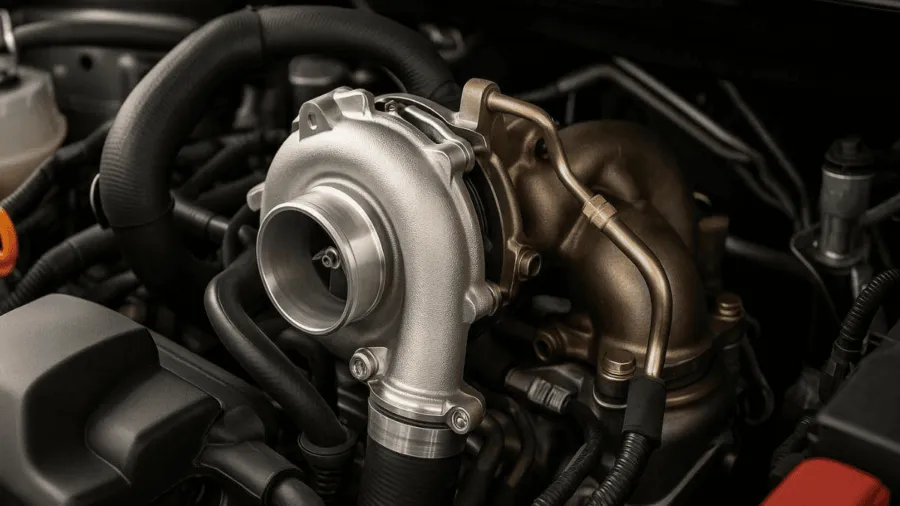
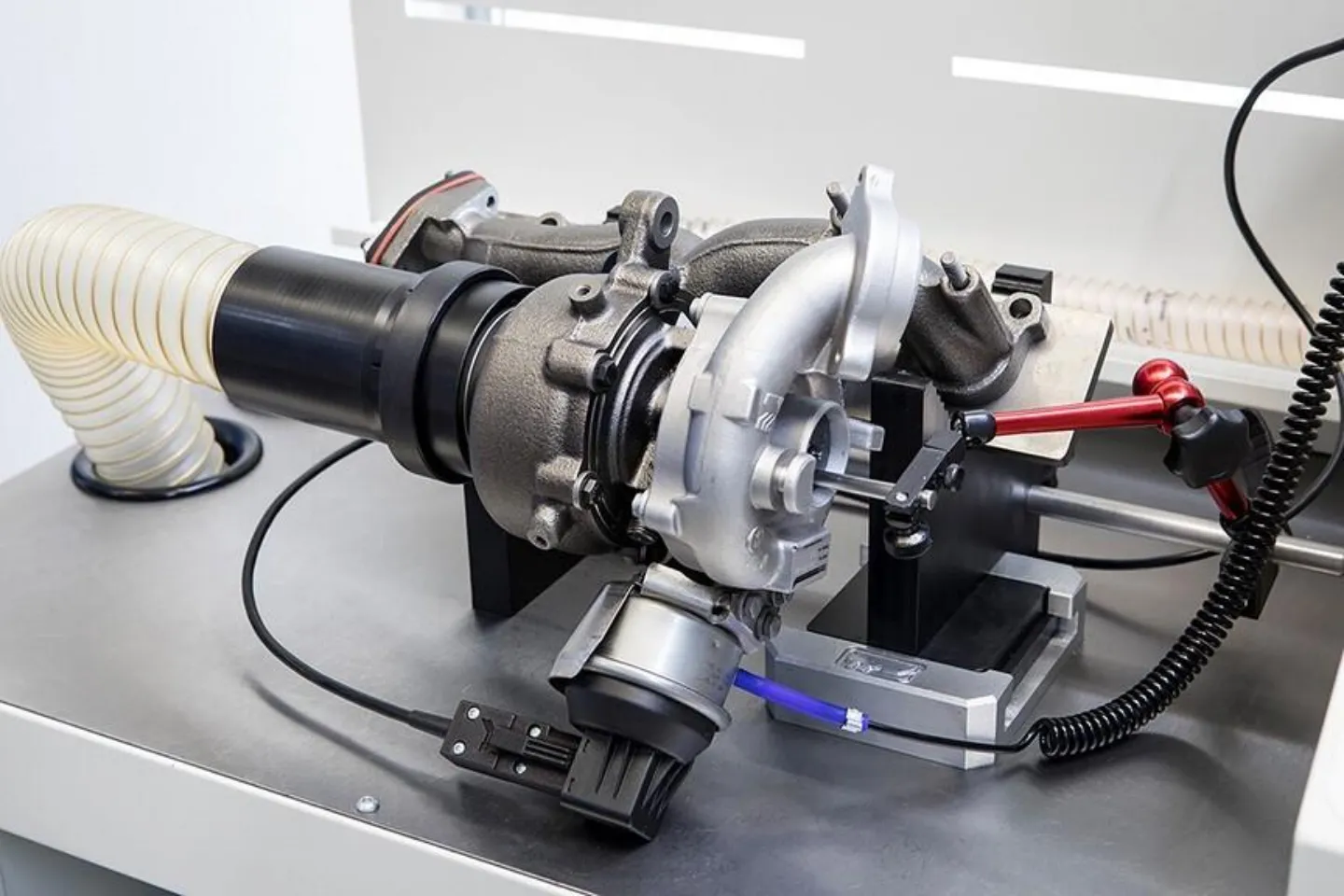
A turbocharger on a test bench with hoses and sensors, showcasing its complex engineering and mechanical components.

Find a Replacement Turbocharger at Turbo Diesel

If your vehicle has been diagnosed with a faulty turbocharger, Turbo Diesel can help you find the correct replacement.

We specialise in refurbished turbochargers for a wide range of vehicles, offering UK customers an affordable alternative to purchasing brand-new units.

Why buy from Turbo Diesel?

  • Extensive selection of refurbished turbochargers.

  • Competitive UK prices.

  • 24-month warranty.

  • Fast UK delivery.

  • Assistance with turbocharger identification and compatibility.

We understand how important reliability and correct fitment are when purchasing a replacement turbocharger.

Need a replacement turbocharger?

Visit Turbo Diesel – www.turbodiesel.cc to browse our range and find a suitable turbocharger for your vehicle.

Frequently Asked Questions About Black Smoke and Turbochargers

  • Not necessarily. Black smoke can be caused by insufficient airflow, boost leaks, faulty injectors, EGR problems or turbocharger failure. Proper diagnosis is required.

  • Yes. A leaking intercooler or boost hose can reduce the amount of air reaching the engine, resulting in an incorrect air-to-fuel ratio and excessive soot production.

  • During acceleration, the engine requires more fuel and air. If airflow is insufficient due to a turbocharger problem, boost leak or restricted intake, black smoke may appear.

  • Yes, if the turbocharger is confirmed as the cause. However, other problems such as injector faults, blocked air filters and boost leaks must also be checked.

  • Excessive black smoke can indicate poor combustion, increased emissions and an underlying mechanical fault. It should be investigated rather than ignored.

  • Yes. A correctly specified and professionally refurbished turbocharger can restore the required boost performance when the original unit is faulty, provided other engine problems are also addressed.

  • 2 years waranty

    The confirmation of the top quality

  • Free Delivery

    Delivery within the UK free of charge

  • Premium Quality

    Every turbo rebuilt with brand new parts

  • Fast Shipping

    24H delivery around the whole UK!