• 2 years waranty

  • Free Delivery

  • Premium Quality

  • Fast Shipping

Diagnostics

Grey Smoke from Exhaust – Is Your Turbocharger Leaking Oil?

8 min read • Last reviewed by Turbo Diesel CC Technical Team
Grey Smoke from Exhaust – Is Your Turbocharger Leaking Oil?

Quick Answer

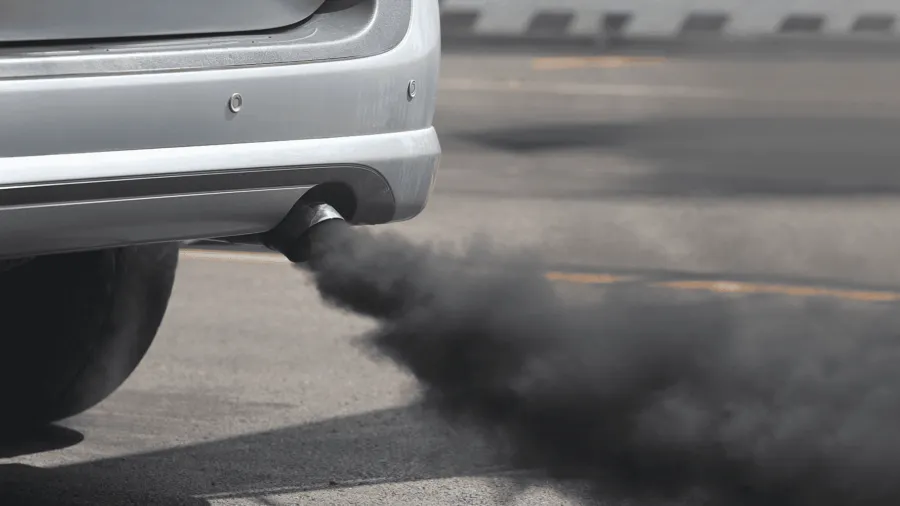
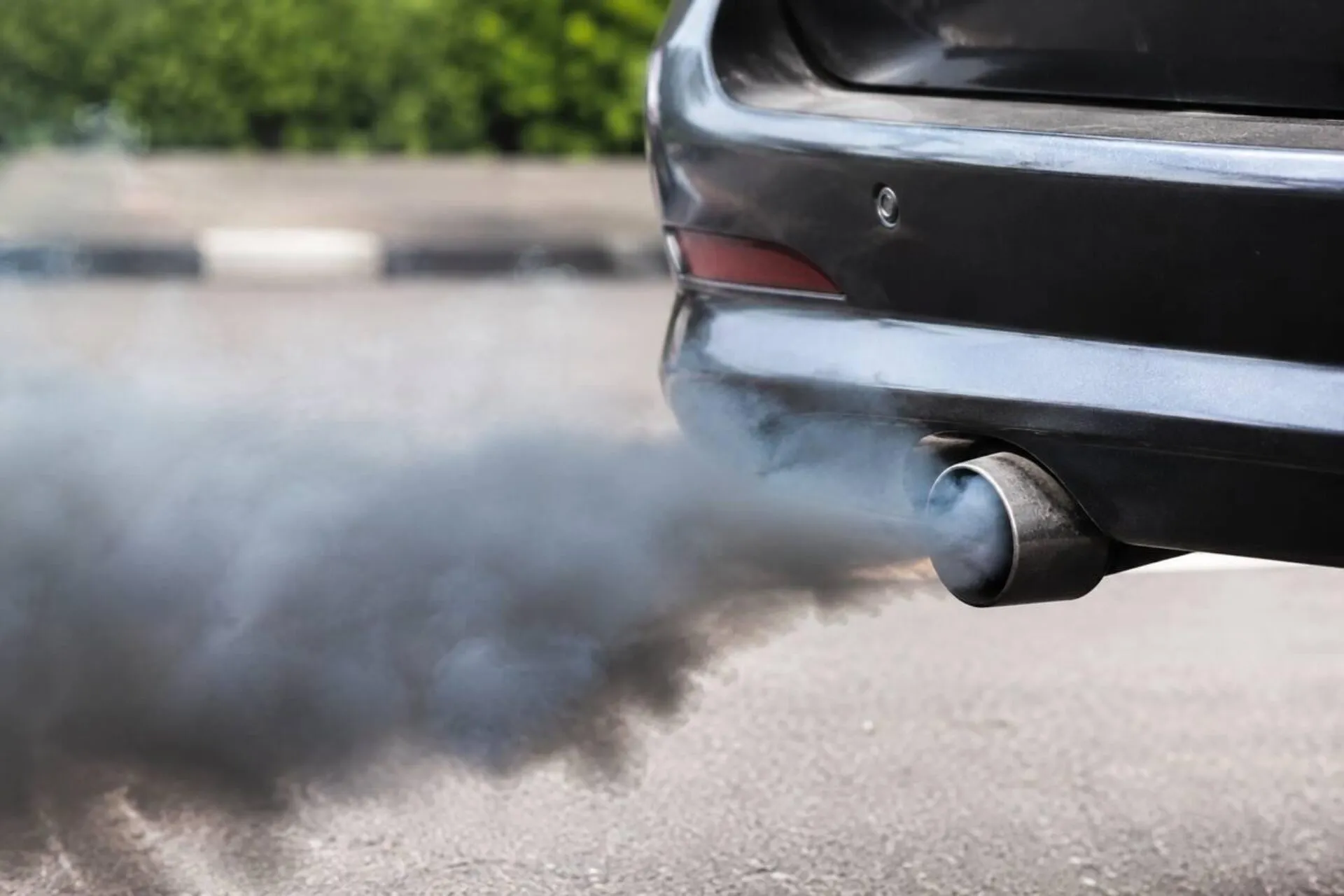
Noticing grey smoke coming from your car’s exhaust can be a sign that something is not working correctly inside your engine.

Although a small amount of exhaust vapour can be normal in certain conditions, persistent grey smoke, particularly from a diesel engine, should never be ignored.

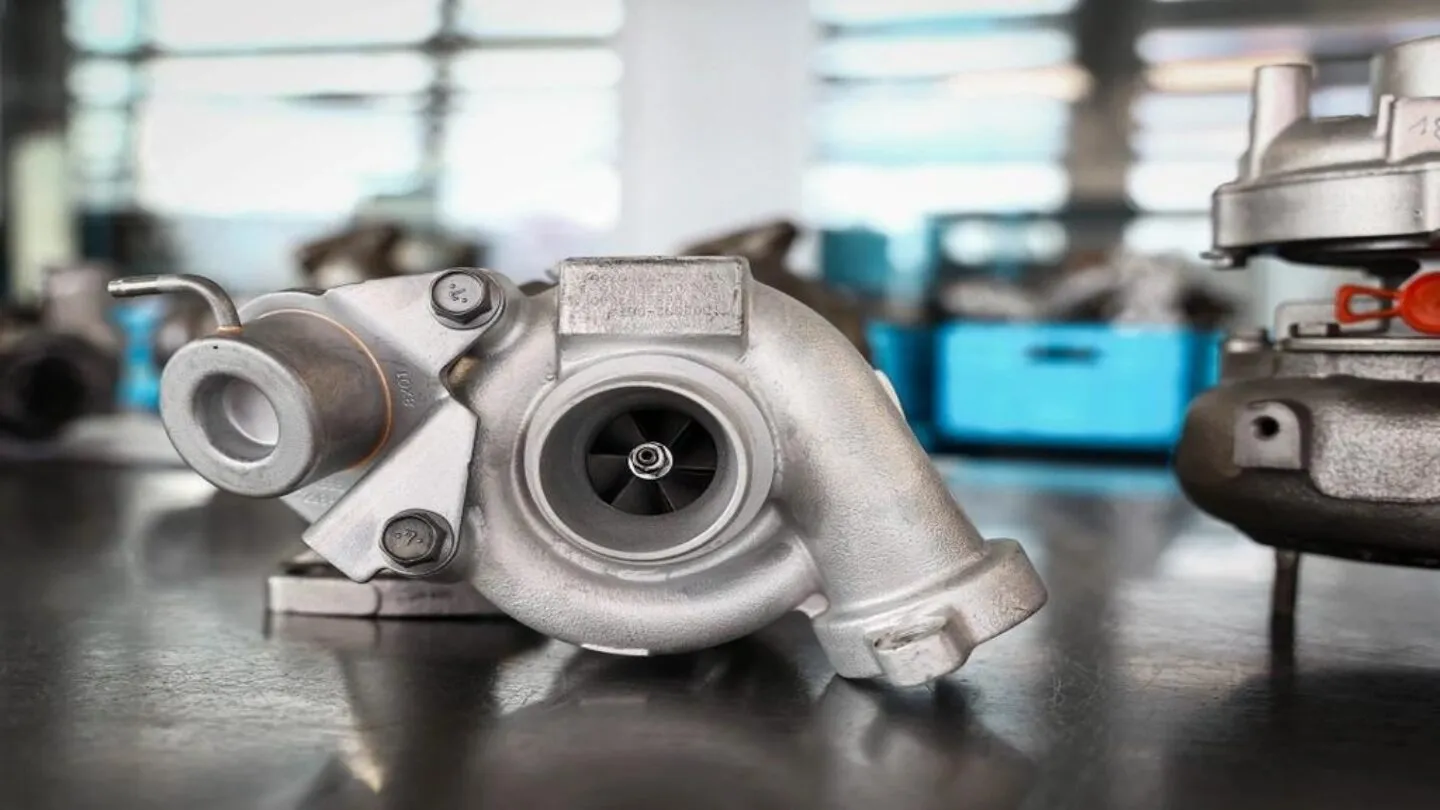
One possible cause is a faulty turbocharger.

Turbocharged engines rely on engine oil to lubricate and cool the turbocharger’s internal components. If oil begins escaping into the intake or exhaust system, it can enter areas where it should not be and eventually be burned or expelled through the exhaust.

This can create visible grey or blue-grey smoke, increased oil consumption and reduced engine performance.

However, grey exhaust smoke can also be associated with incomplete fuel combustion, excessive fuelling or other engine-related problems.

In this guide, we explain what grey smoke means, how a faulty turbocharger can contribute to the problem and when replacing your turbocharger may be necessary.

What Does Grey Smoke from the Exhaust Mean?

Grey exhaust smoke can have several different causes, depending on its appearance, smell and when it occurs.

Unlike black smoke, which generally indicates excessive soot production, grey smoke may be associated with burning engine oil or incomplete combustion.

In turbocharged diesel engines, possible explanations include:

  • Engine oil entering the intake or exhaust system.

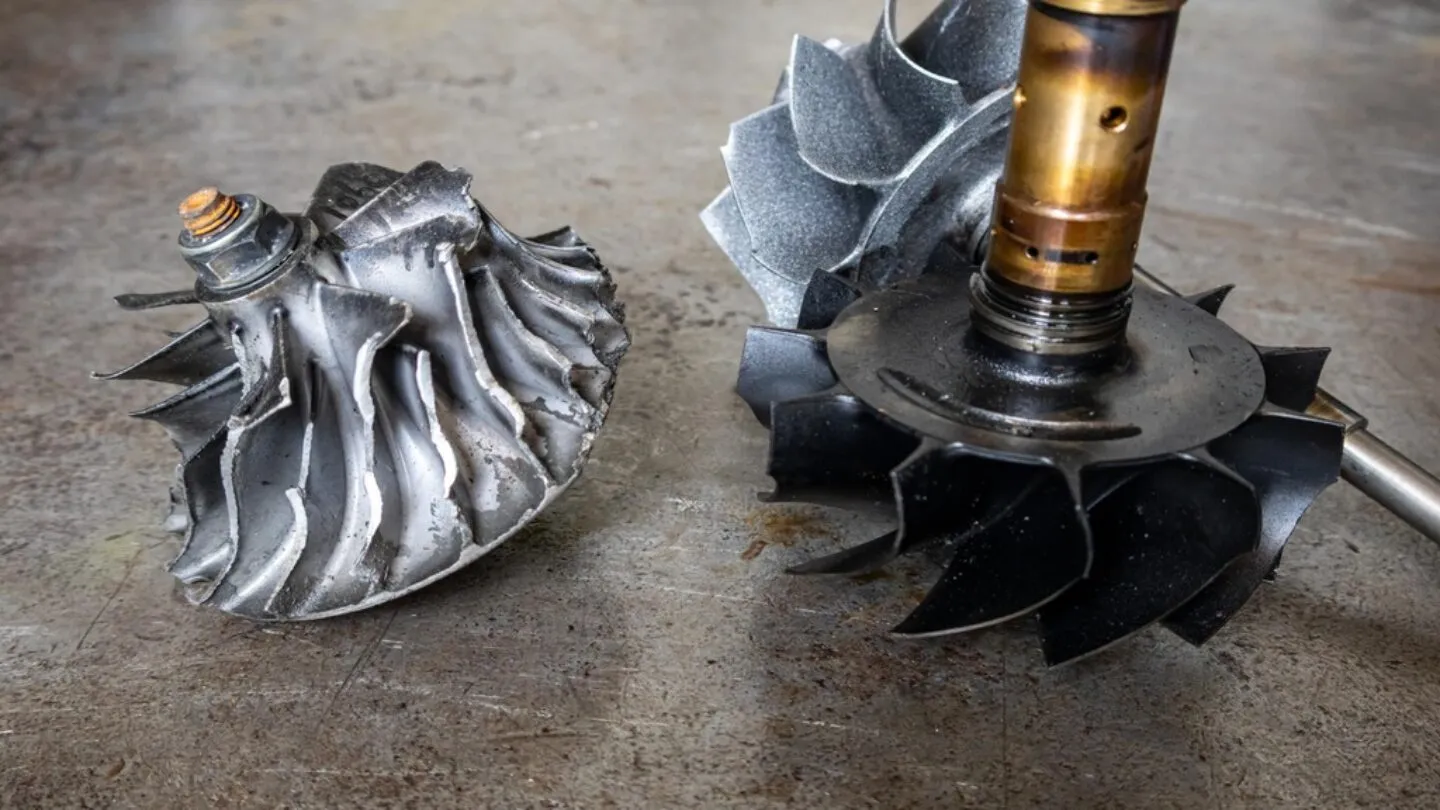
  • Damaged turbocharger bearings or internal components.

  • Restricted turbocharger oil drainage.

  • Incorrect fuel injection.

  • Faulty fuel injectors.

  • Incomplete combustion.

  • Excessive crankcase pressure.

You might notice:

  • Grey smoke when accelerating.

  • Continuous grey smoke while driving.

  • Smoke appearing after idling.

  • Increased engine oil consumption.

  • Reduced engine performance.

  • An unusual burning smell.

  • Oil contamination inside the intake pipes.

The colour of exhaust smoke can be difficult to distinguish, particularly between grey, blue-grey and white. For this reason, additional checks are necessary before identifying the cause.
Can a Faulty Turbocharger Cause Grey Smoke?

Yes. A faulty turbocharger can allow engine oil to enter the intake or exhaust system, resulting in visible grey or blue-grey smoke.

A turbocharger operates at extremely high rotational speeds and depends on a continuous supply of clean engine oil for lubrication and cooling.

The rotating shaft and bearings are supported by an oil film. Specialised sealing arrangements and pressure balance help control oil movement within the turbocharger.

If the oil supply, drainage or internal components become compromised, oil may enter the compressor or turbine housing.

Once this oil reaches the engine intake or exhaust, it can produce visible smoke.

The most common turbocharger-related causes include:

1. Worn Turbocharger Bearings

 .

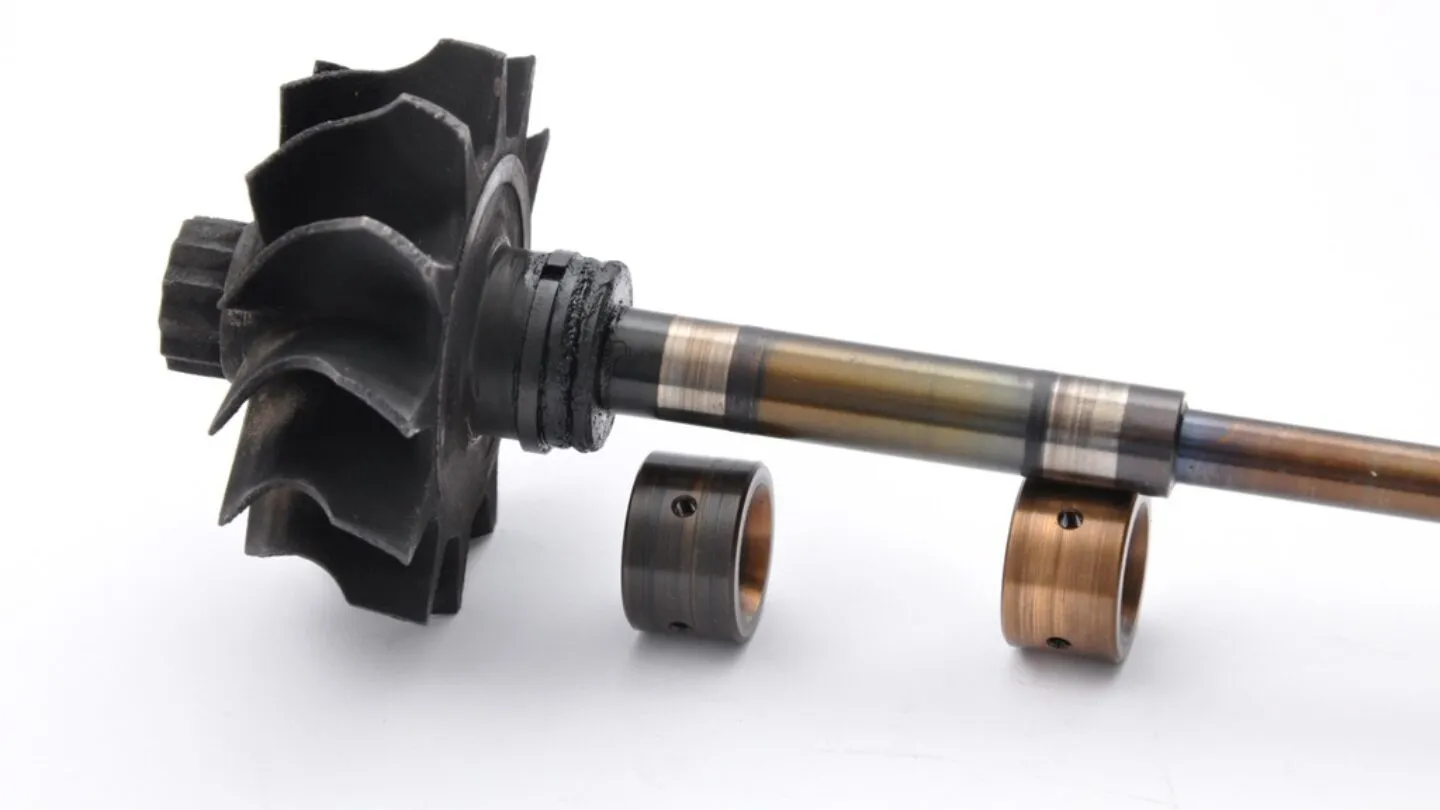
Turbocharger bearings support the shaft connecting the compressor and turbine wheels.

Over time, these components can wear due to high temperatures, contaminated oil or insufficient lubrication.

Excessive shaft movement can affect the turbocharger’s operation and potentially contribute to oil leakage.

Common symptoms include:

  • Grey or blue-grey smoke.

  • Increased engine oil consumption.

  • Unusual whining or scraping noises.

  • Reduced turbocharger efficiency.

  • Oil contamination inside the intake or exhaust system.

If bearing damage is severe, the turbocharger may require professional refurbishment or replacement.

2. Turbocharger Oil Leakage

 .

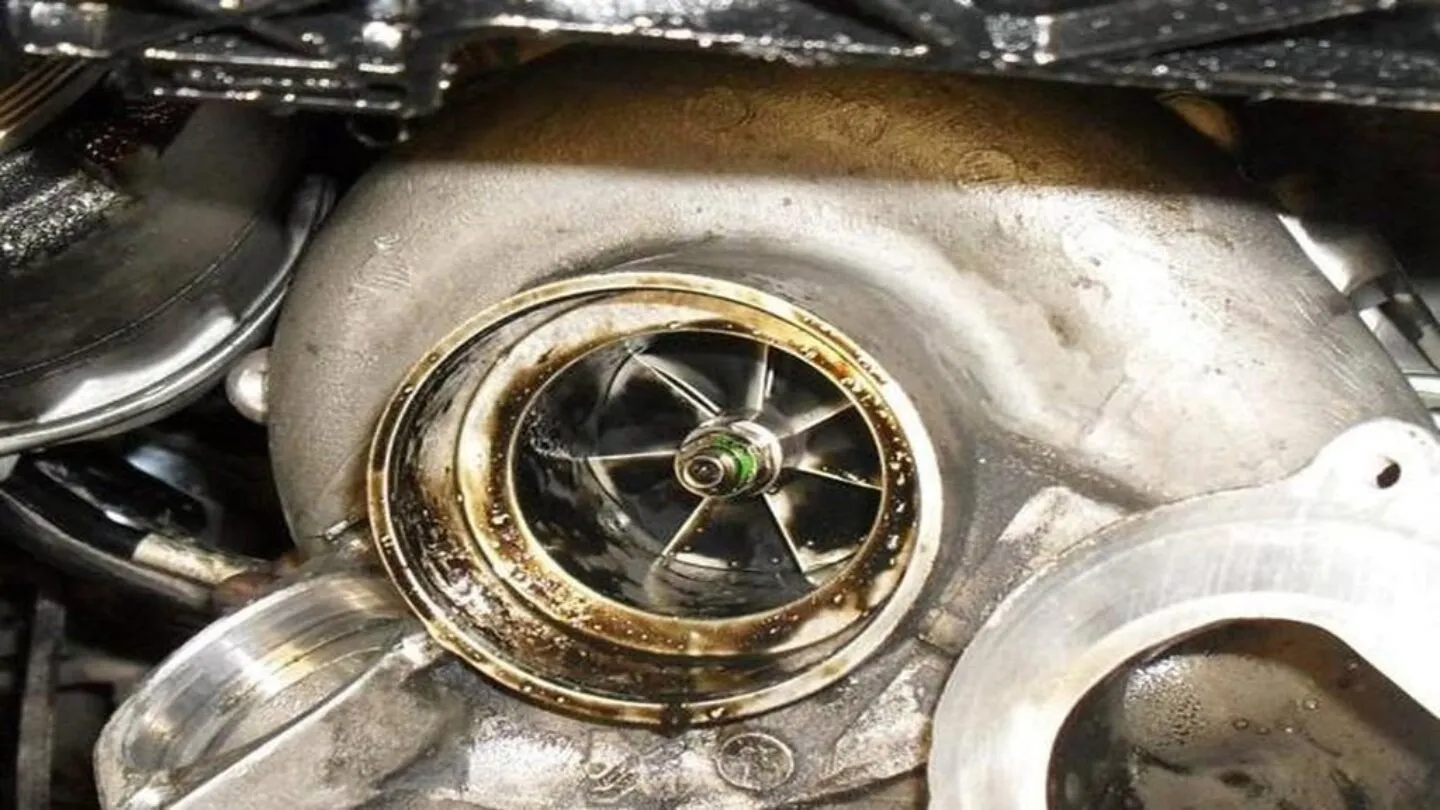
Oil leakage is one of the possible reasons for grey smoke coming from a turbocharged diesel engine.

Turbochargers use specialised sealing arrangements to control oil movement around the rotating shaft.

If these arrangements can no longer maintain the required oil control, engine oil may enter the compressor or turbine side.

On the compressor side, oil can travel through the intake pipes and intercooler before reaching the engine.

On the turbine side, oil may enter the exhaust system directly.

Both situations can result in visible smoke.

It is important to remember that oil leakage does not automatically mean the turbocharger seals have failed. Excessive crankcase pressure, blocked oil drainage and incorrect oil pressure can produce similar symptoms.

3. Blocked Turbocharger Oil Return Pipe

The turbocharger requires an unrestricted oil return pipe to allow lubricating oil to drain back into the engine sump.

If this pipe becomes blocked, damaged or restricted by carbon deposits, oil may accumulate inside the turbocharger bearing housing.

This can disturb the pressure balance and force oil past the turbocharger’s sealing arrangements.

Possible symptoms include:

  • Grey or blue-grey exhaust smoke.

  • Oil inside the turbocharger intake.

  • Increased oil consumption.

  • Smoke becoming more noticeable after acceleration.

Before installing another turbocharger, the oil return pipe should be inspected and cleaned or replaced if necessary.

4. Excessive Crankcase Pressure

Excessive crankcase pressure can interfere with the turbocharger’s ability to drain oil correctly.

This can happen when the crankcase ventilation system becomes blocked or the engine develops excessive blow-by due to internal wear.

When crankcase pressure increases, oil drainage from the turbocharger may become restricted.

This can contribute to oil escaping through the turbocharger’s sealing arrangements.


5. Damaged Turbocharger Compressor or Turbine Housing

 .

Physical damage to the turbocharger can affect its ability to operate correctly.

Damaged wheels, excessive shaft movement or internal contact between rotating components and their housings can result in reduced efficiency and further mechanical deterioration.

In severe cases, oil control may also be affected.

A damaged turbocharger should be professionally inspected to establish whether it can be safely refurbished or requires replacement.

When Does Grey Smoke Indicate Turbocharger Failure?

The circumstances in which grey smoke appears can help identify the possible cause.

Symptom Possible explanation
Grey smoke during acceleration Turbocharger oil leakage or incomplete combustion
Grey smoke at idle Oil entering the combustion process or engine wear
Grey smoke after idling Possible oil accumulation in intake or exhaust
Continuous grey smoke Persistent oil burning or combustion problem
Grey smoke with increased oil consumption Possible turbocharger or engine oil leakage
Grey smoke with loss of power Possible turbocharger damage or airflow problem
Grey smoke with unusual turbo noise Possible internal turbocharger damage
Grey smoke with rough running Possible injector or combustion problem

These symptoms can help narrow down the diagnosis but do not independently confirm turbocharger failure.

Other Possible Causes of Grey Exhaust Smoke

Before replacing the turbocharger, it is important to consider other possible sources of the problem.

Common causes include:

  1. Faulty fuel injectors

    Incorrect fuel delivery can cause incomplete combustion and abnormal exhaust smoke.

  2. Incorrect fuel pressure

    Problems with the fuel system can affect combustion quality.

  3. Blocked EGR system

    Excessive carbon deposits can interfere with normal engine operation

  4. Worn piston rings

    Allow engine oil to enter the combustion chamber

  5. Damaged valve stem seals

    Allow oil to pass into the combustion chambers

  6. Blocked crankcase ventilation

    Can create excessive crankcase pressure

  7. Incorrect engine oil level

    Excessive oil can contribute to oil entering the intake system

  8. Engine wear

    Internal mechanical problems can cause increased oil consumption and abnormal exhaust emissions

A complete inspection is essential to avoid replacing a turbocharger when the actual problem is elsewhere.

Can You Drive with Grey Smoke Coming from Your Exhaust?

Driving with persistent grey smoke is not recommended until the cause has been identified.

If the smoke is caused by oil entering the engine through a damaged turbocharger, continued driving may result in increasing oil consumption and potentially serious engine damage.

In severe diesel engine cases, excessive oil ingestion can cause engine runaway. This occurs when the engine begins burning its own lubricating oil as fuel.

If you notice heavy smoke, rapidly falling oil levels, unusual turbocharger noises or uncontrolled engine revving, stop the engine safely and arrange professional assistance.

Do not restart the engine until it has been inspected.

How to Fix Grey Smoke Caused by a Faulty Turbocharger

The correct repair depends on the underlying cause.

A professional inspection should include:

  1. Checking the turbocharger compressor and turbine housings for oil contamination.

  2. Inspecting the turbocharger shaft and bearings.

  3. Checking the oil feed and return pipes.

  4. Inspecting the crankcase ventilation system.

  5. Checking engine oil level and condition.

  6. Inspecting the intake pipes and intercooler.

  7. Checking fuel injectors and engine fault codes.

  8. Investigating whether the engine itself is consuming excessive oil.

If the turbocharger is confirmed to be damaged beyond repair, replacing it with a quality refurbished turbocharger may be a cost-effective option.

However, the original cause of the failure must also be corrected. Otherwise, the replacement turbocharger could develop the same problem.

Buy a Quality Refurbished Turbocharger from Turbo Diesel

 .

If your vehicle is producing grey smoke and a faulty turbocharger has been identified, Turbo Diesel can help you find a suitable replacement.

At Turbo Diesel, we specialise in refurbished turbochargers for a wide range of vehicles, providing UK customers with an economical alternative to purchasing brand-new units.

Why choose Turbo Diesel?

  • Extensive range of refurbished turbochargers.

  • Competitive prices.

  • 24-month warranty.

  • UK-based customer service.

  • Fast UK delivery.

  • Vehicle and turbocharger compatibility assistance.

A correctly specified replacement turbocharger can help restore engine performance and eliminate smoke caused by turbocharger-related oil leakage.

Looking for a replacement turbocharger?

Visit www.turbodiesel.cc and find the correct turbocharger for your vehicle.

Frequently Asked Questions About Grey Smoke and Turbochargers

  1. Why is my diesel car producing grey smoke when accelerating?

    Grey smoke during acceleration can indicate engine oil entering the combustion process, incorrect fuel delivery or incomplete combustion. A faulty turbocharger is one possible cause, particularly if the engine is also consuming oil.

  2. Does grey smoke mean my turbocharger is leaking oil?

    Not necessarily. Grey or blue-grey smoke can be caused by turbocharger oil leakage, but worn piston rings, valve stem seals and other engine problems can produce similar symptoms.

  3. Can a turbocharger leak oil without making unusual noises?

    Yes. A turbocharger can develop oil leakage without producing obvious whining or scraping noises. Oil consumption and exhaust smoke may be the first noticeable symptoms.

  4. Why does my car smoke more when accelerating?

    Under acceleration, engine load and airflow increase. If oil is entering the intake or exhaust through a faulty turbocharger, or if the engine has a combustion problem, the smoke may become more noticeable.

  5. Can replacing a turbocharger stop grey smoke?

    Yes, if the turbocharger is confirmed to be the source of the oil leakage. However, restricted oil drainage, crankcase pressure and other underlying faults must also be corrected.

  6. Is grey smoke from a diesel exhaust dangerous?

    Persistent grey smoke can indicate an engine or turbocharger problem. Heavy smoke accompanied by oil loss or unusual noises should be investigated immediately to prevent further damage.

  • 2 years waranty

    The confirmation of the top quality

  • Free Delivery

    Delivery within the UK free of charge

  • Premium Quality

    Every turbo rebuilt with brand new parts

  • Fast Shipping

    24H delivery around the whole UK!